
Bird & Breath
Personal nourishment through a research-forward mediation app.
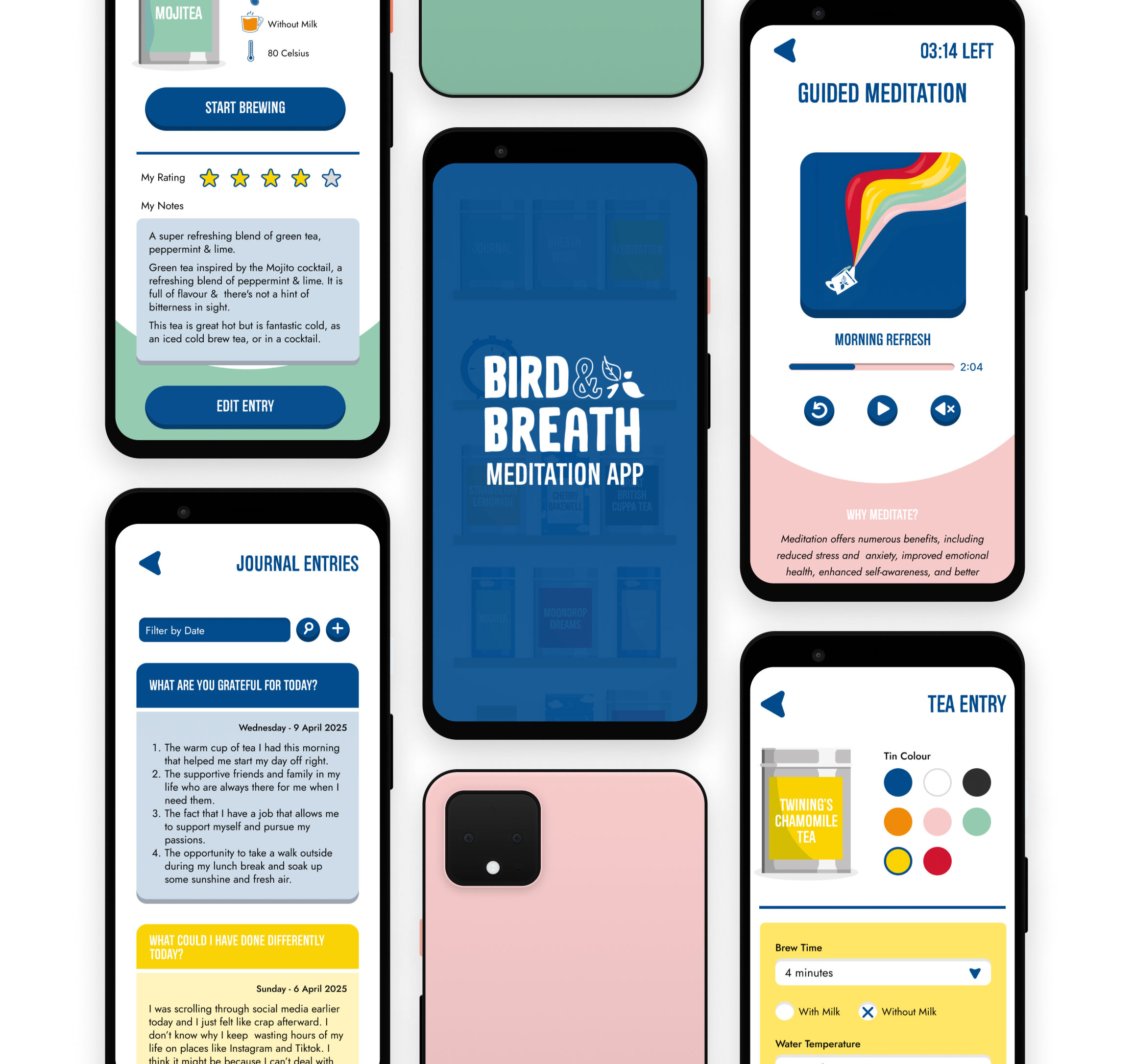
Bird & Breath is a tea timer that incorporates meditation exercises. A live brief under Bird & Blend Tea Co., this project complements the tea-drinking experience, encouraging personal nourishment through daily practice.
Period: February - April 2025
Role: Solo Project
Skills: Figma, Illustrator, Data Visualization
Advisor: Bella Malya
Brief
This live brief asked us “How might we use an interaction with an object to enhance ‘personal nourishment’ that blends in seamlessly with tea drinking”.
Bird & Blend Tea
Bird & Blend is a UK-wide independent premium tea brand with B-corp status with high ethical standards that sells custom, varied tea blends online and in stores.
Problem Definition
Defining the Brief & Client
I began with broad, contextual research that would inform where I wanted to take this project, striving to answer the following questions:
Who is Bird & Blend?
What are their values and practices? How do customers interact with them?
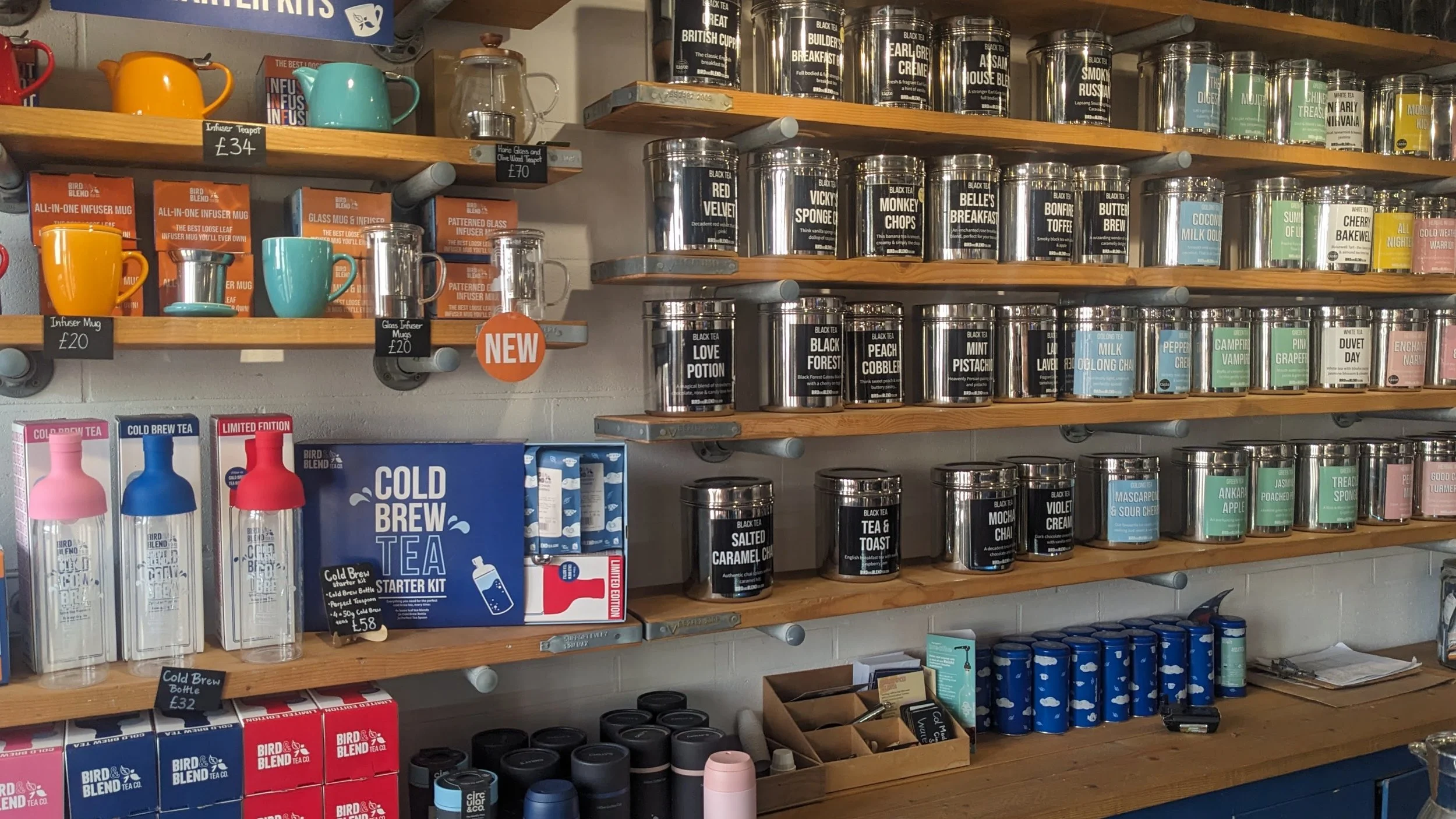
Methods: I engaged in a Q&A with B&B corporate representatives, conducted online secondary research, and visited their retail locations and chatted with staff.
Findings:
Values: customer-base community, sustainable practices, and ethical treatment of employees.
Eclectic, friendly, and visually striking stores
Minimal online interactive presences
Takeaways
I felt that focusing the project on emotional nourishment aligned most closely with B&B’s core values. Emotional nourishment and wellbeing are an established part of B&B’s brand already, appearing in physical products and online posts.
What is Personal Nourishment?
How can nourishment be interpreted and obtained?
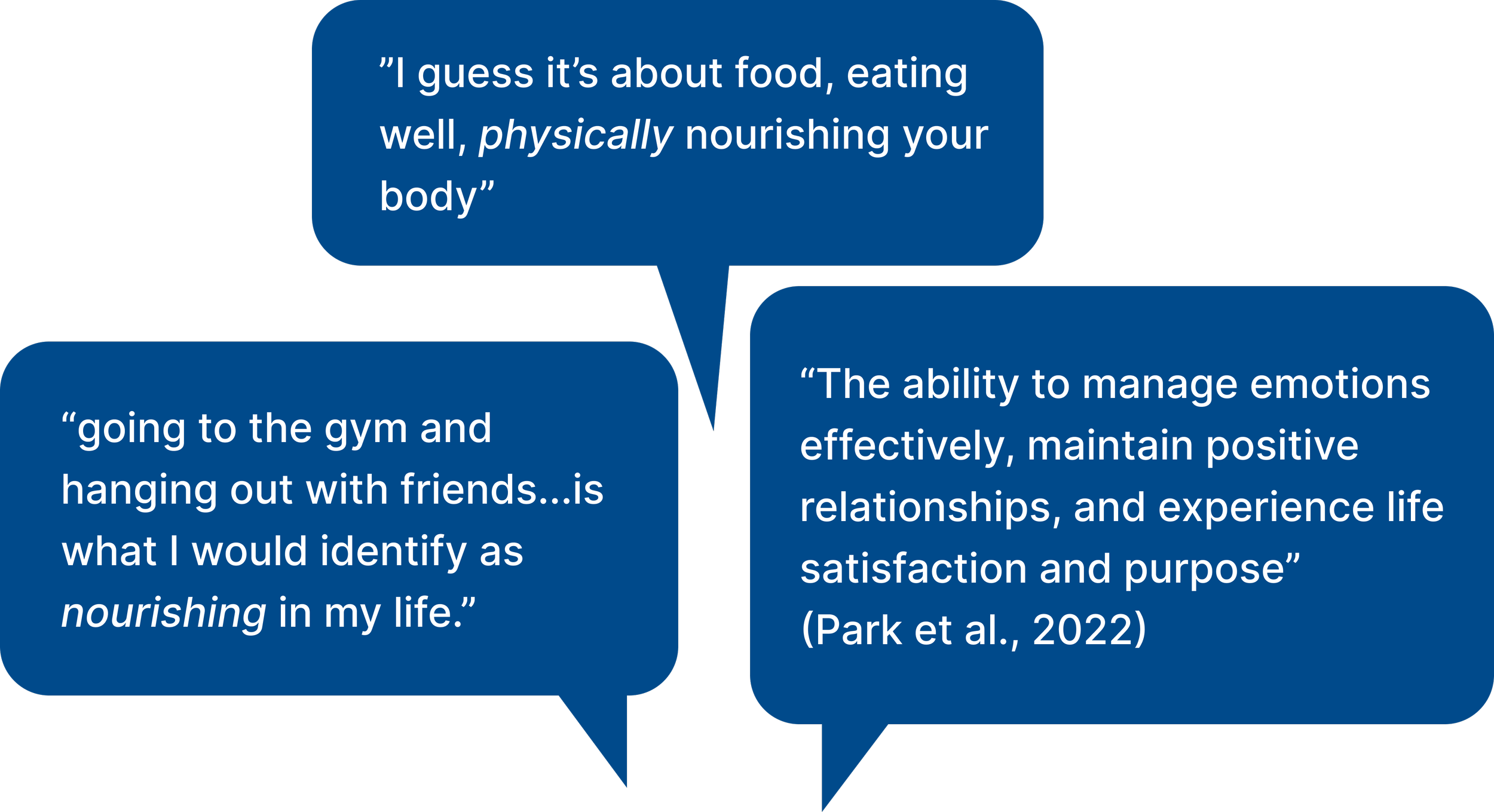
Methods: I conducted online secondary research to find different academic interpretations, and held in-person discussions to explore what it could mean to individuals.
Findings:
Physical–supporting physical health
Emotional–emotional regulation, mental health, mindfulness, and happiness
Social–meaningful interactions with others and community.
Brief Iteration #1
Design a digital component that accompanies or complements the B&B tea-drinking experience and facilitates emotional nourishment.
Research: Finding a Problem Space
Primary Survey #1
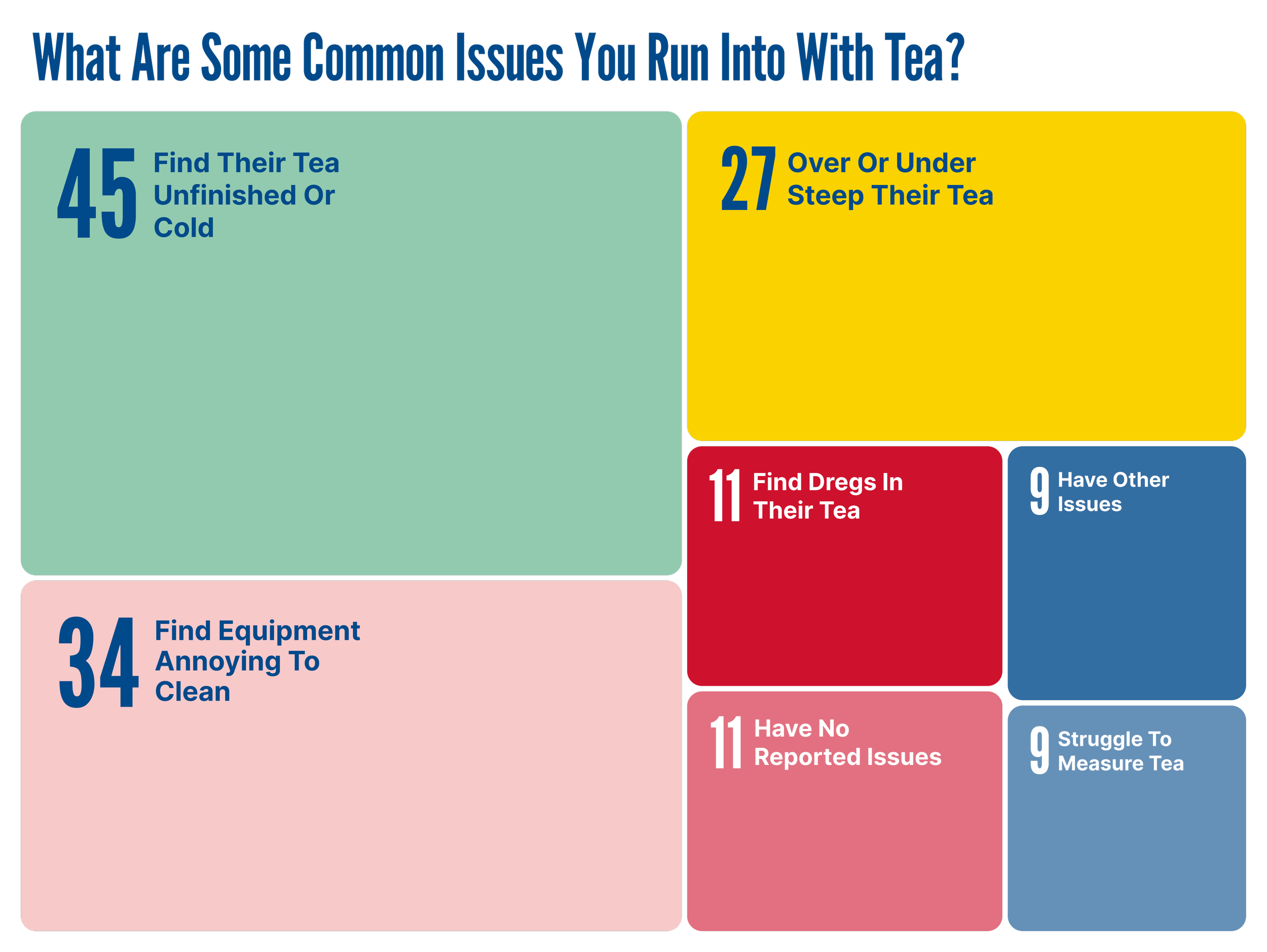
I sent out surveys to gather insights on how respondents interact with tea:
Common frustrations: over/under-steeping, drinks going cold, cleaning hassle.
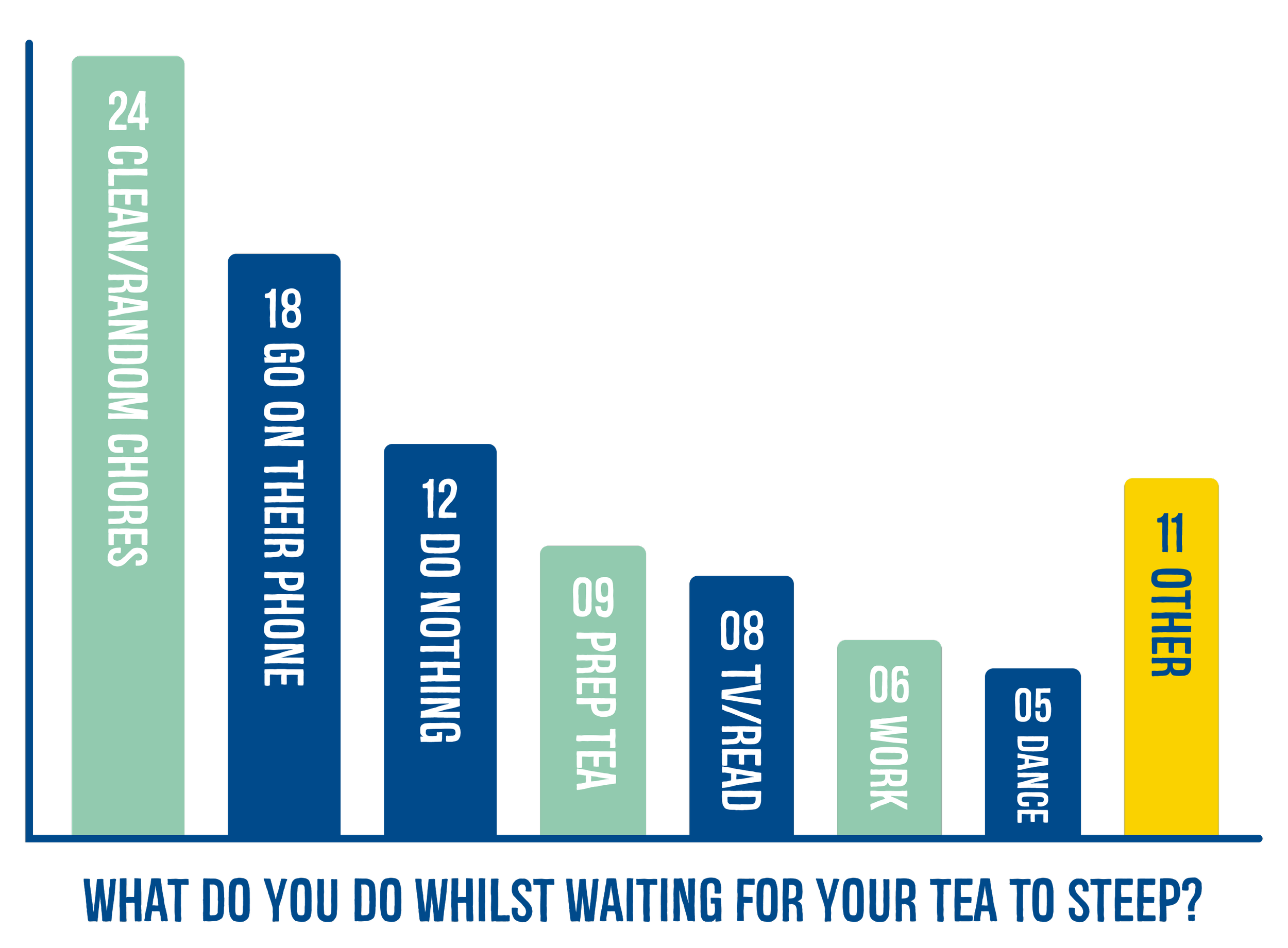
Most users did something idle or routine during steeping.
Tea time was widely seen as a calming, emotionally grounding moment.
Making a lot of Tea
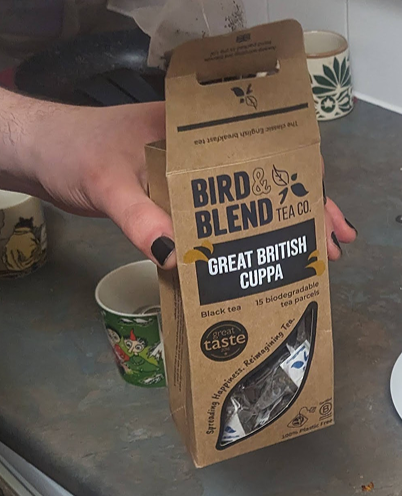
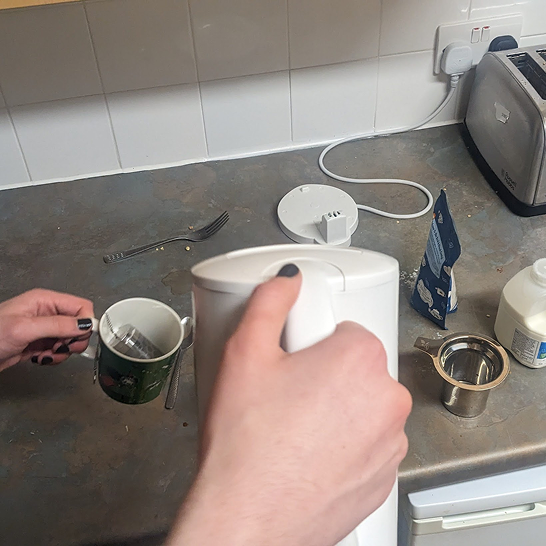
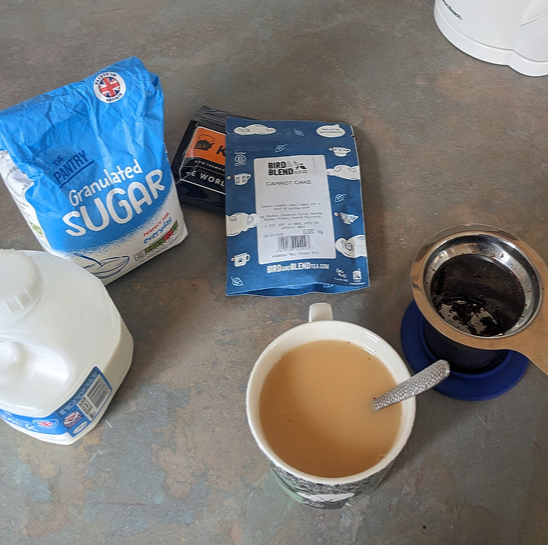
I made a lot of tea over the few weeks. To further understand the tea making process and its accompanying friction points, I varied tea-prepping methods and tea types to observe different hot-brew tea processes.
98 Responders
53% 18-24 year-old U.S. and UK university students
47% were members of the Brew SocieTea, a Facebook page for B&B superfans.
Secondary Research
My research into how to achieve emotional nourishment led me to focus on meditation, which is widely cited as a powerful tool for emotional nourishment and mental well-being.
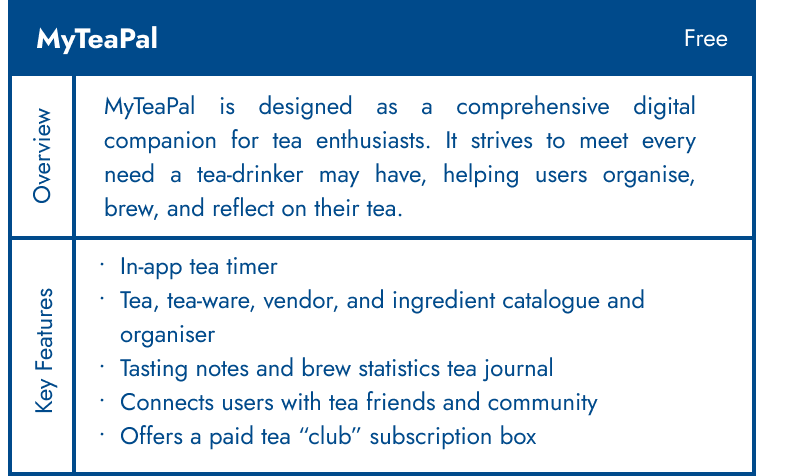
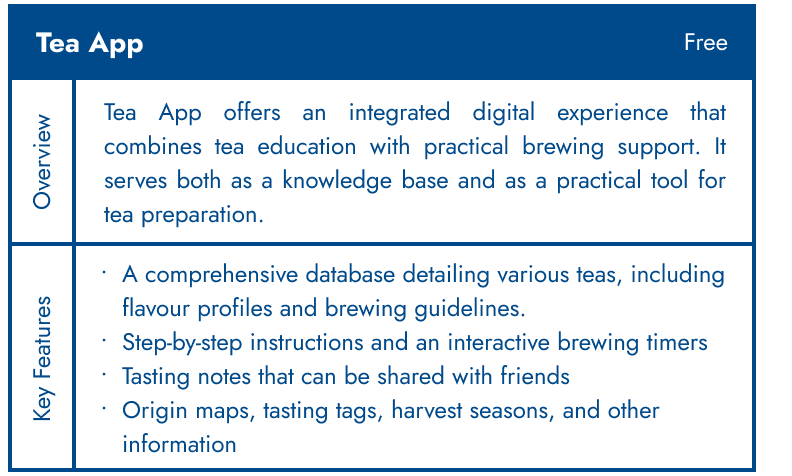
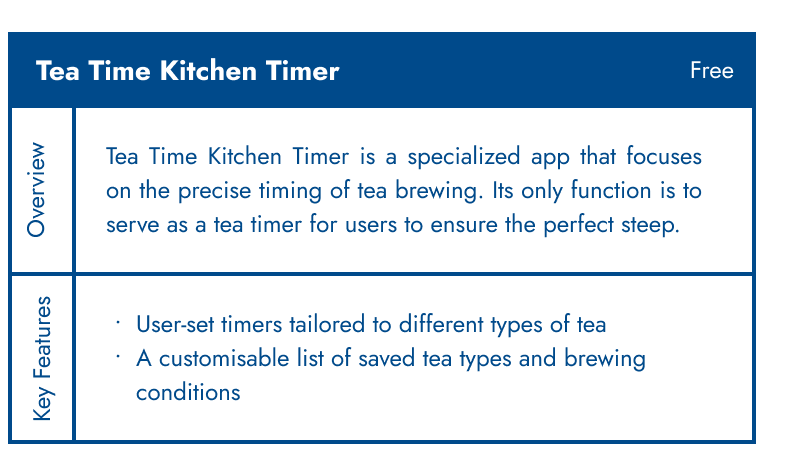
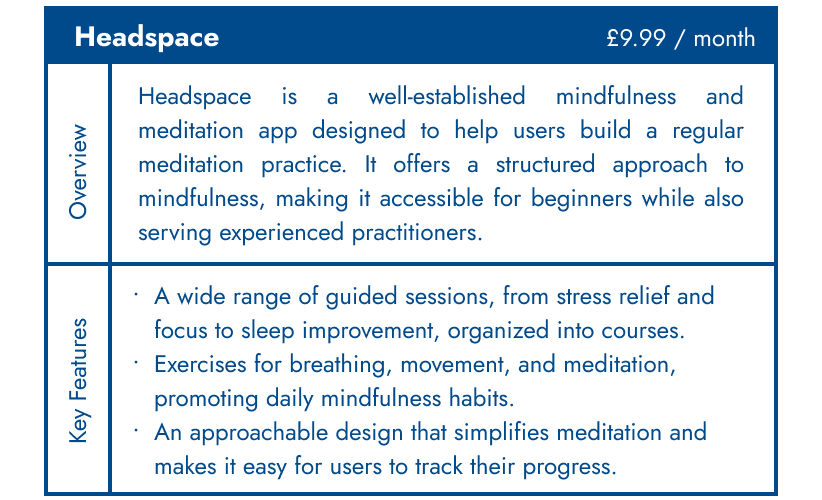
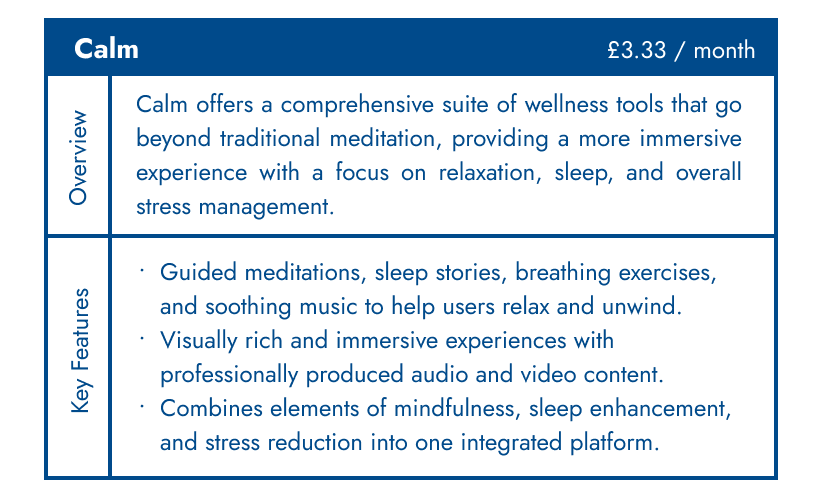
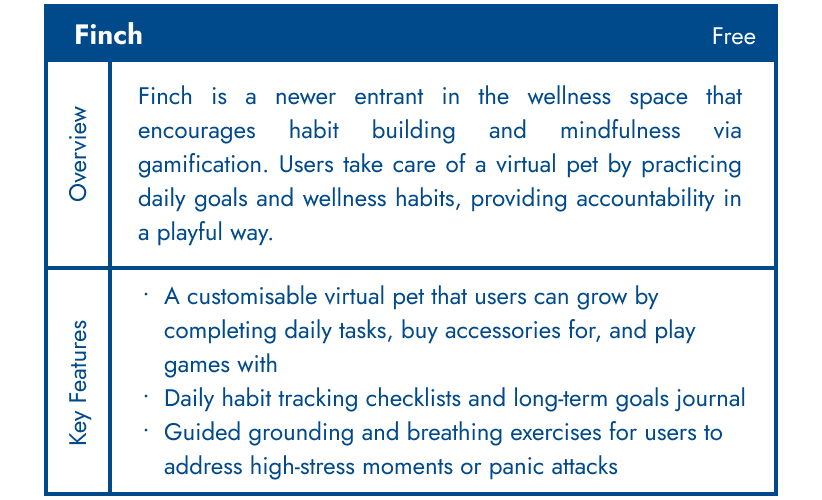
I conducted a few competitor analyses on two relevant spaces: apps related to tea, and apps related to emotional wellness. This helped me see how I should differentiate my product, what niches are already filled and what’s in demand.
Ideation
Defining the Brief & Client
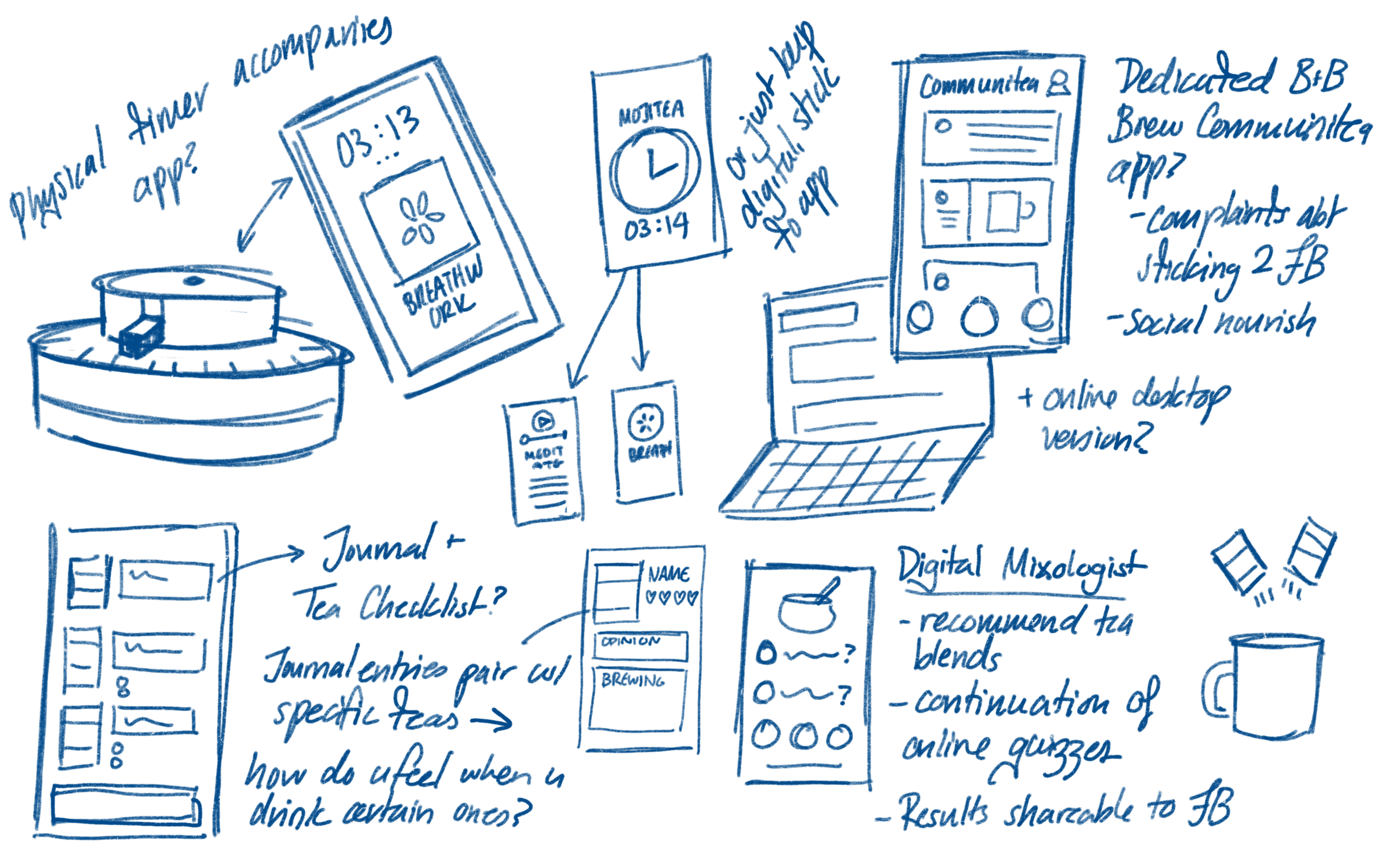
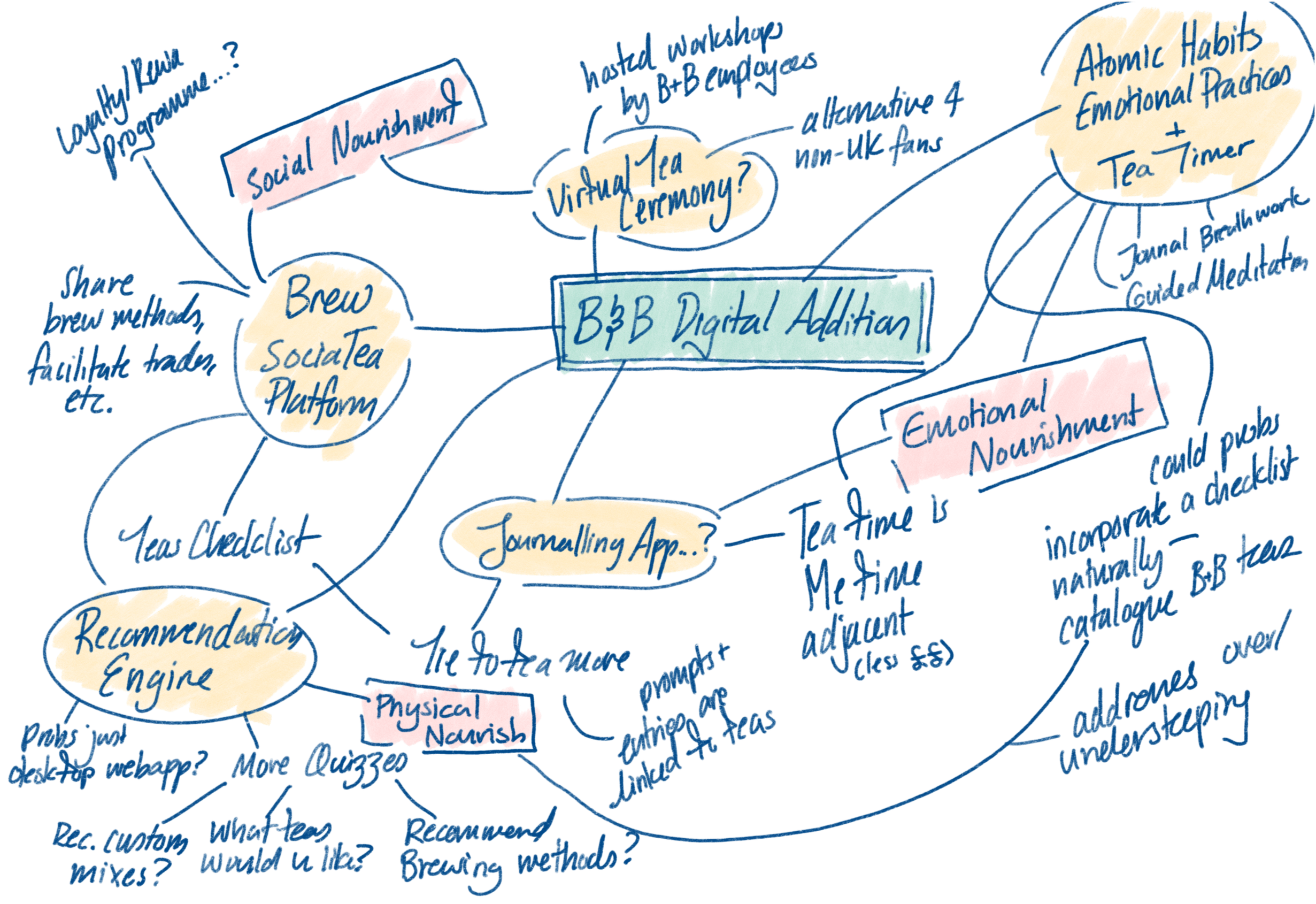
With an understanding of what the current digital tea and wellness space looked like, and further research conducted, I began ideating potential products.
Brief Iteration #2
Create a quickly accessible mobile app and widget that addresses over- and under-steeping and makes use of the waiting time in an emotionally nourishing way.
B&B’s lacking interactive digital presence
Over/under-steeping tea
Making use of underutilized brewing waiting time
Emotional nourishment via meditation
Research: Exploring the Problem Space
Primary Survey #2
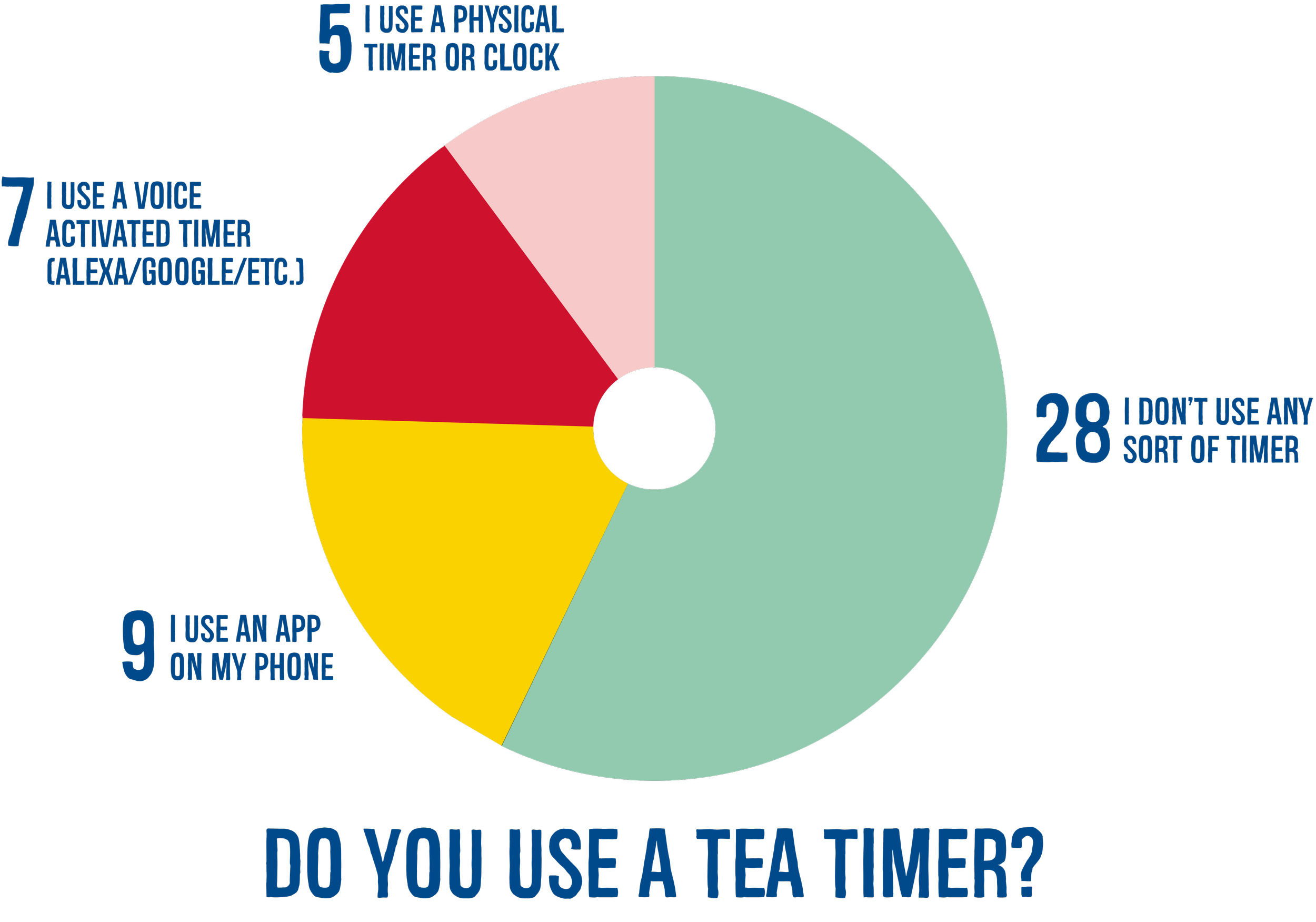
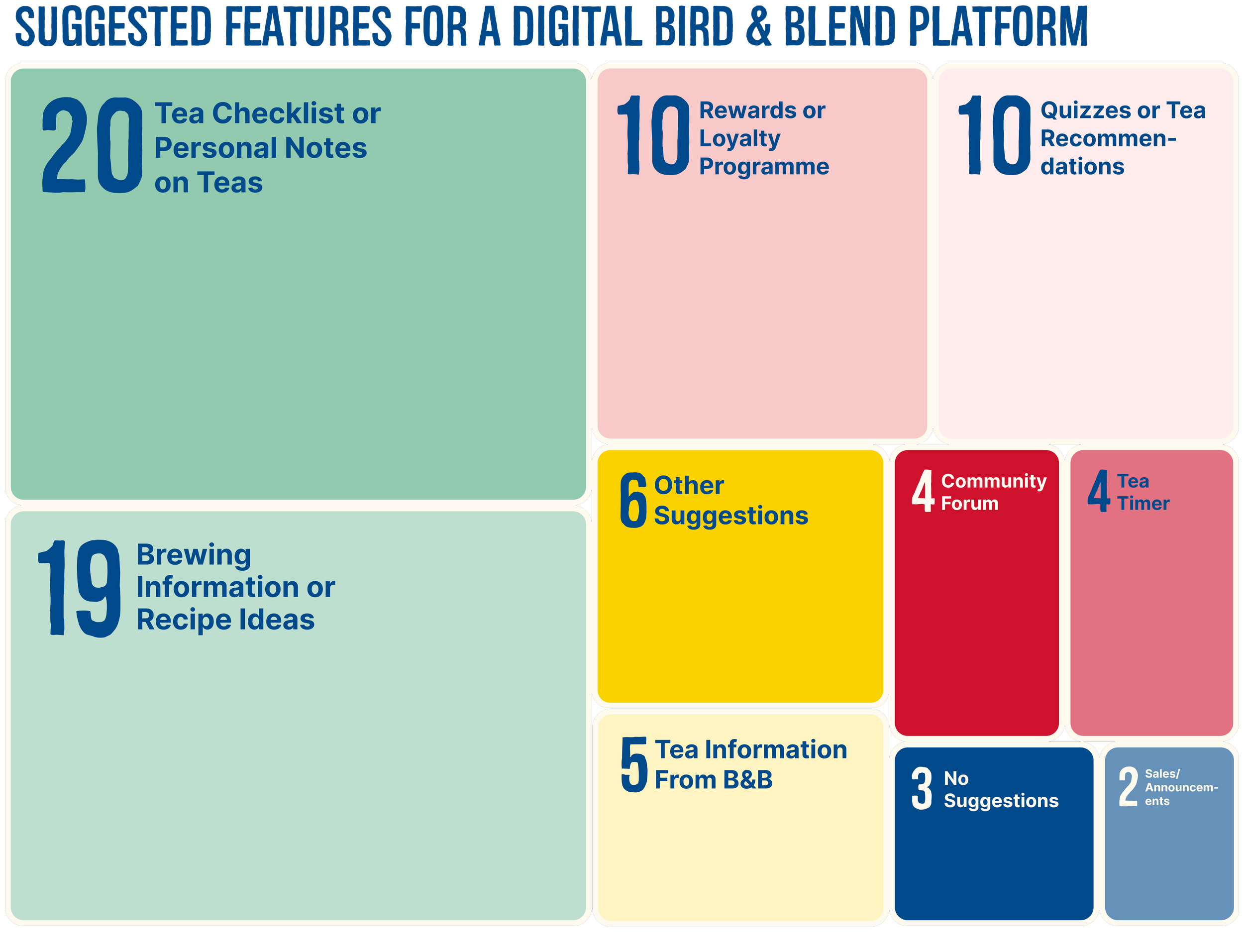
To guide my ideation refinement, I surveyed Brew SocieTea members about their tea timer usage and digital B&B interactions.
53 responders,
All members of the Brew SocieTea.
Ranged from 20-65+ years of age.
Primary Interviews
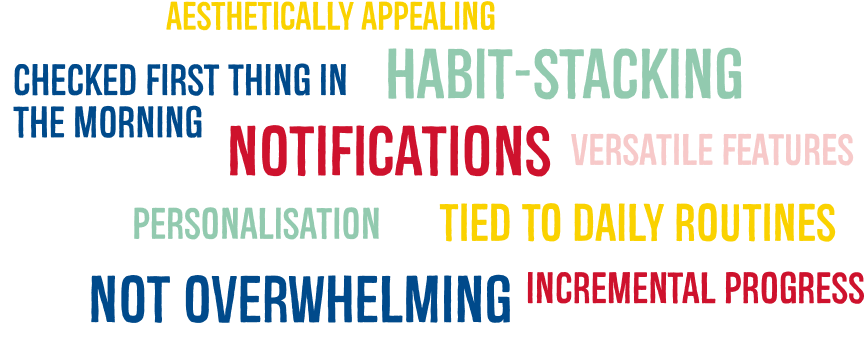
I conducted six short, text-based interviews to understand how 18-24 year-olds interact with wellness apps
How do apps integrate into a user’s routine?
What gives their chosen app its competitive edge?
What do they like seeing in apps they use?
Learnings
Tea drinkers who didn’t use a timer weren’t interested in starting, but many are looking for emotional nourishment.
There’s not really demand for a plain old tea timer, so I refocused the product’s primary offer.
Nourishing habits, like meditation, can be formed more easily with…
Habit Anchors: Using an established habit (like…drinking your daily tea) as a reminder for a target habit.
Incremental steps: Starting small, with exercises spanning 2-5 minutes (coincidentally also the brewing time for many teas!)
Secondary Research
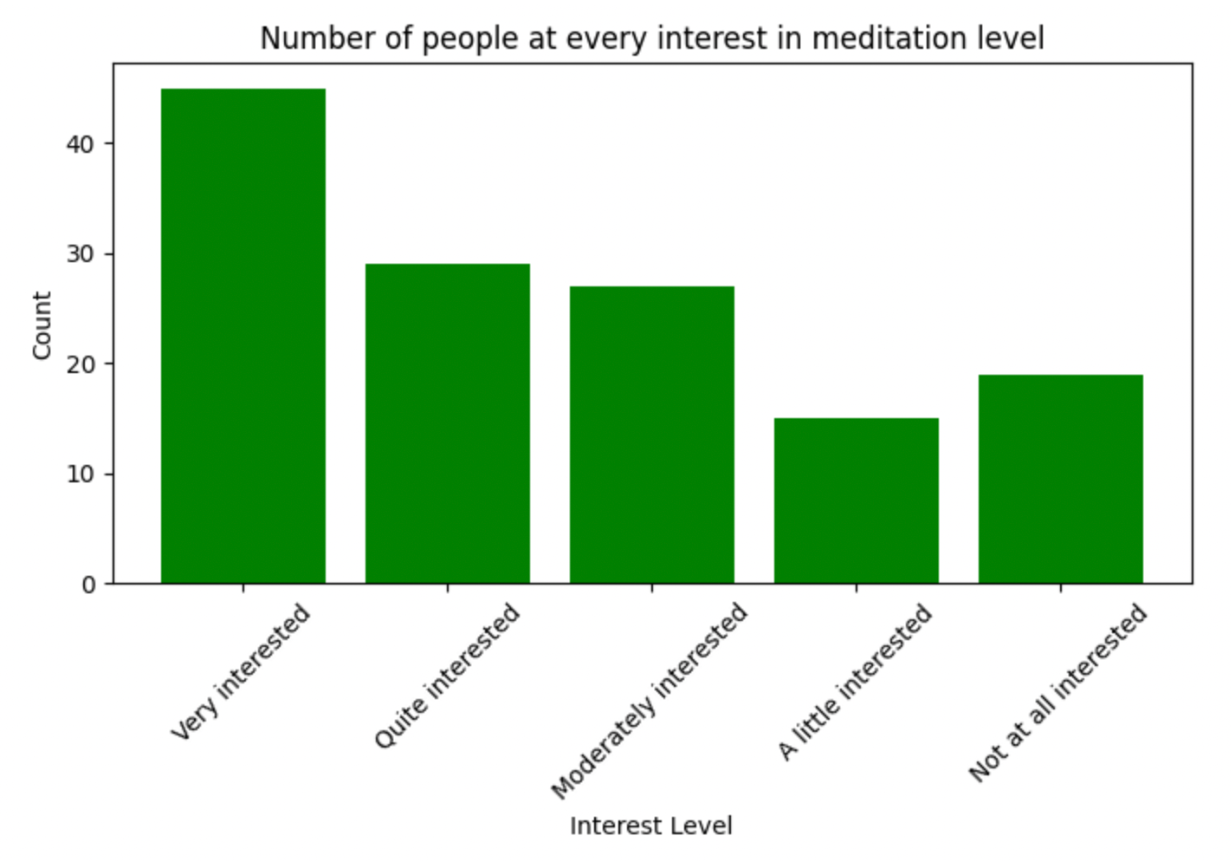
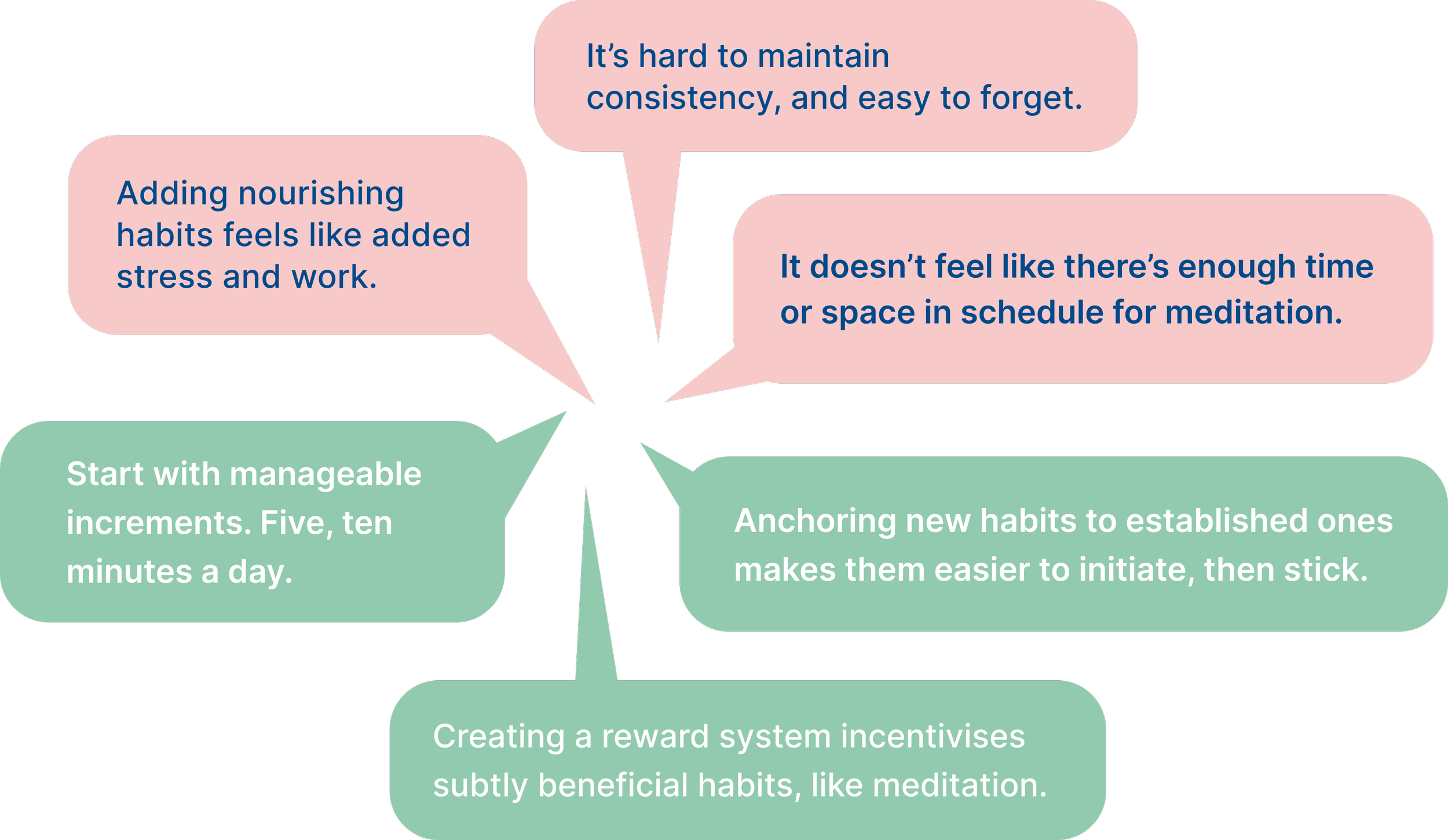
Do people want to meditate? Yes, but they don’t.
ClearerThinking.org surveyed 119 US adults and found that the average person is “moderately to quite” interested in meditation, most often because they believe it “could help cope with stress” (Zena, 2024).
However, “75%… had not meditated more than 10 times,” often because it was daunting to start and felt like added work (Zena, 2024).
How to build habits? Habit anchoring, incremental steps, and reward systems.
Brief Iteration #3
How can I design a meditation and tea timer app that utilizes the established routine of tea brewing to build lasting, emotionally nourishing habits?
Place more focus on the meditative, emotional aspects of the app
Use the established tea brewing routine as a habit anchor to encourage new habit formation
Integrate “sip-sized”, easily digestible and beginner-friendly emotional nourishment
Pre-Prototyping
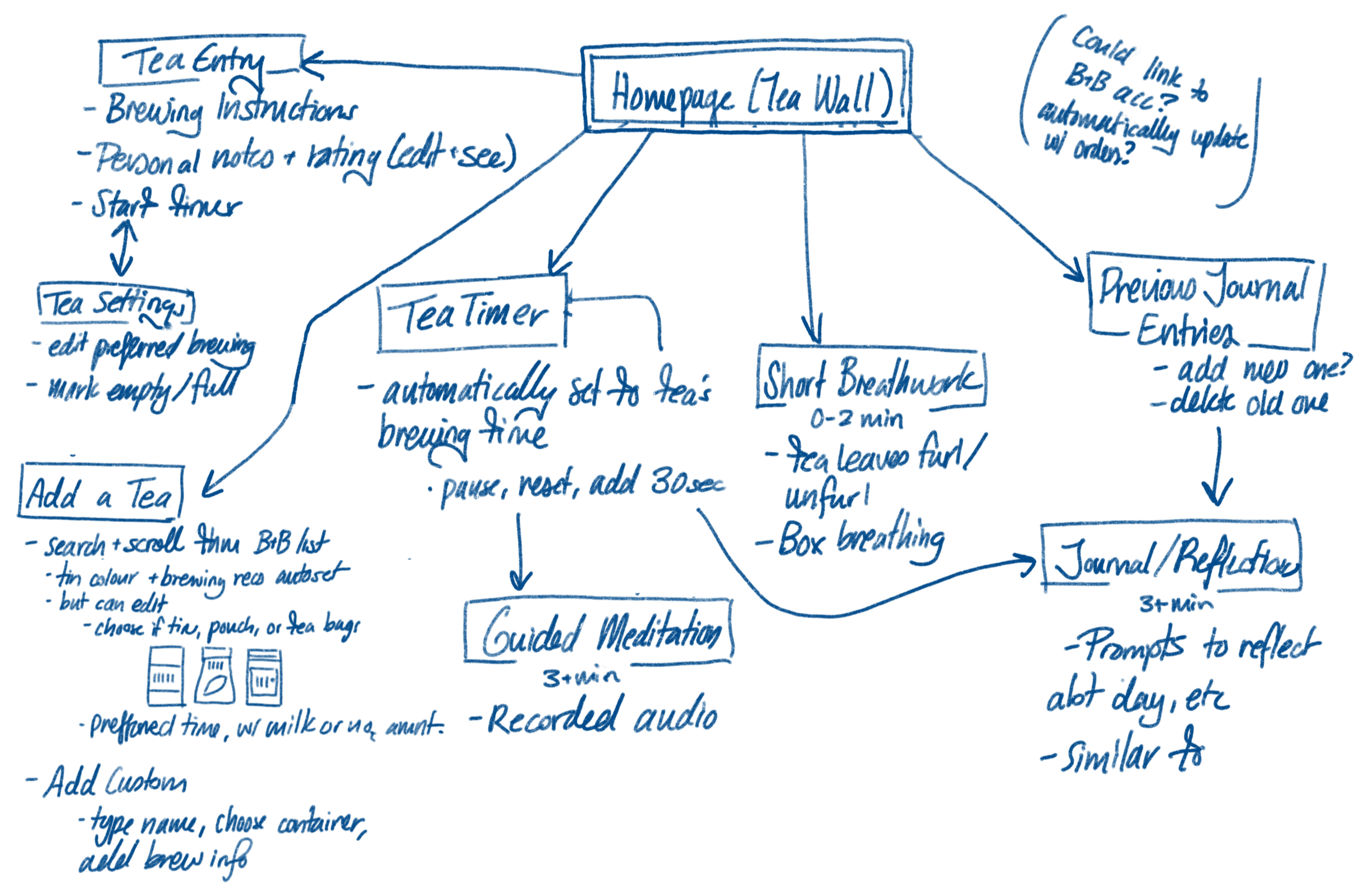
Feature List & Site-Map
By clearly establishing the product’s capabilities and functional flow through a easily iterated medium, higher-detail prototypes would be easier to design and require less trial and error.
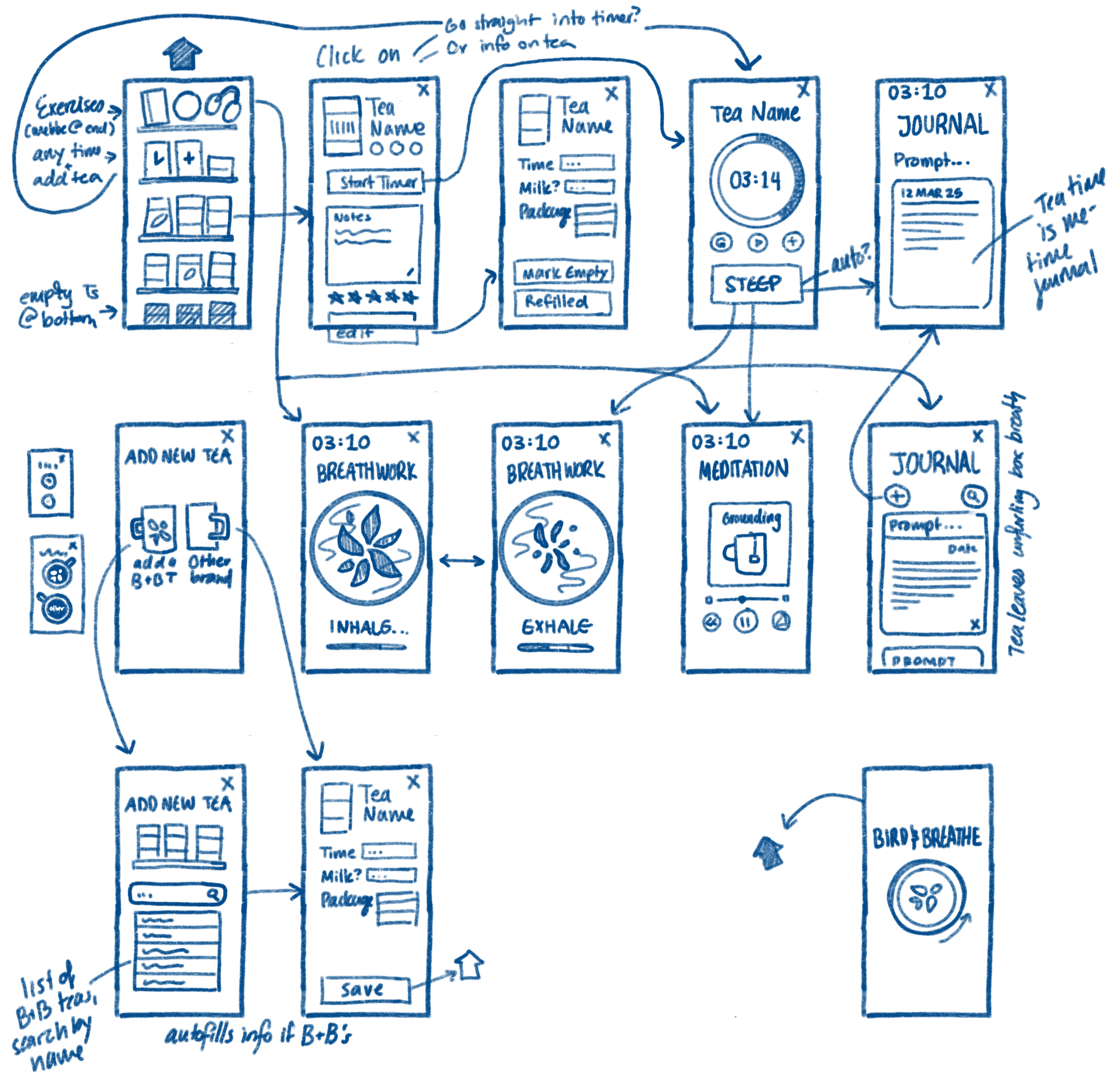
Wireframes
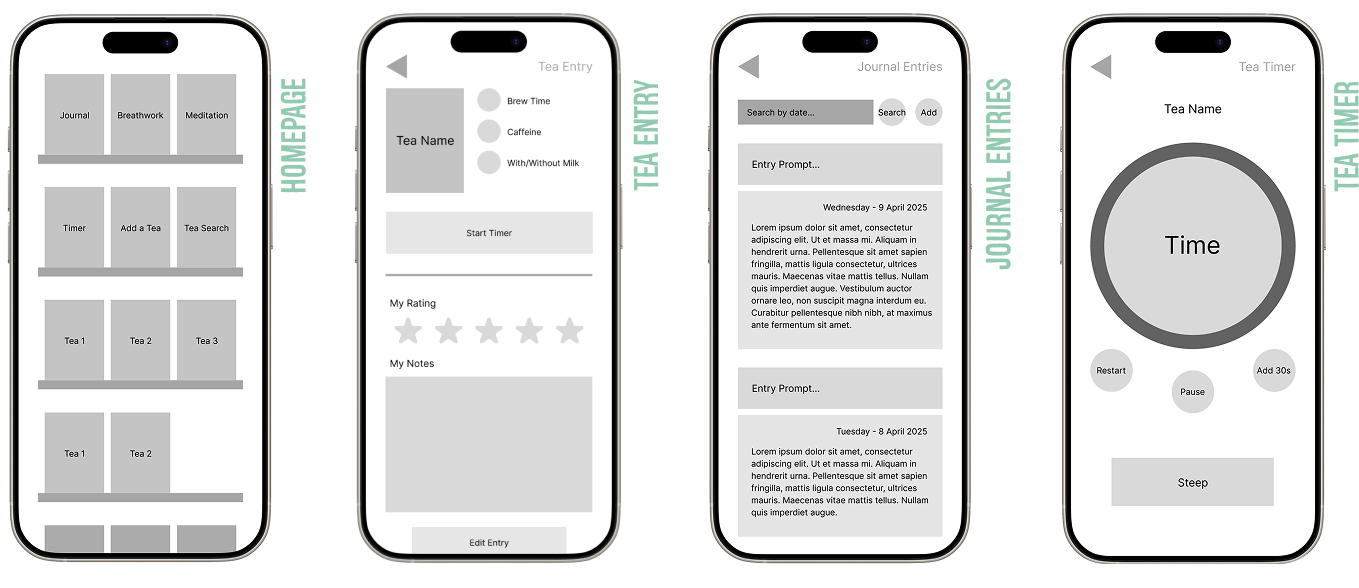
These quick, hand-drawn sketches helped me visualize the basic app layout and established a rudimentary user journey.
Key Features
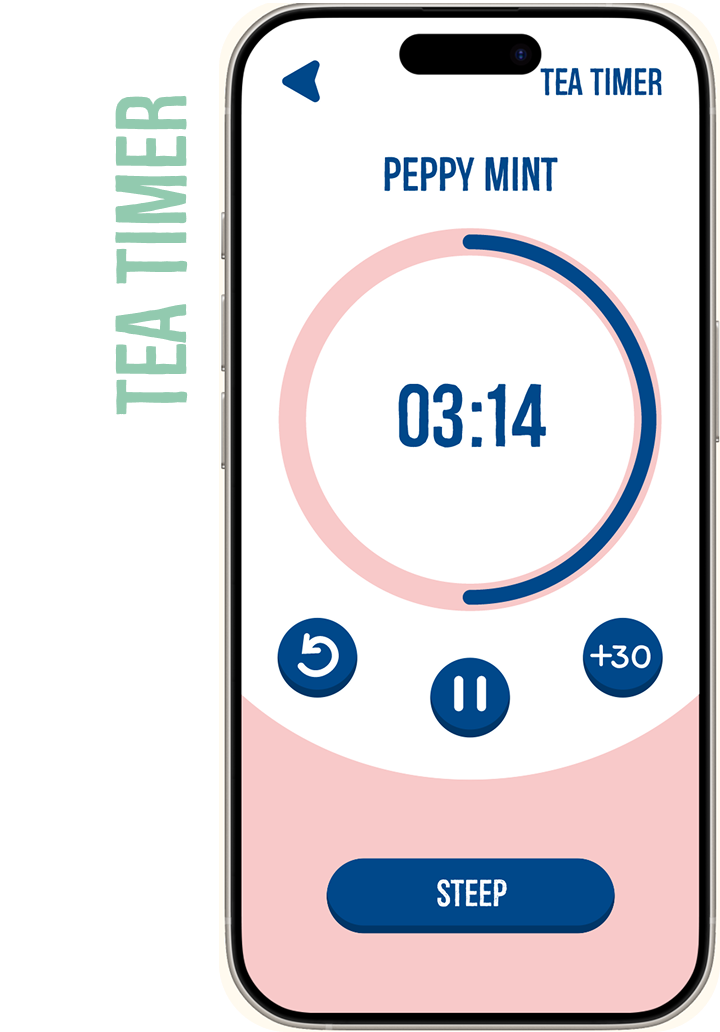
Tea-timer
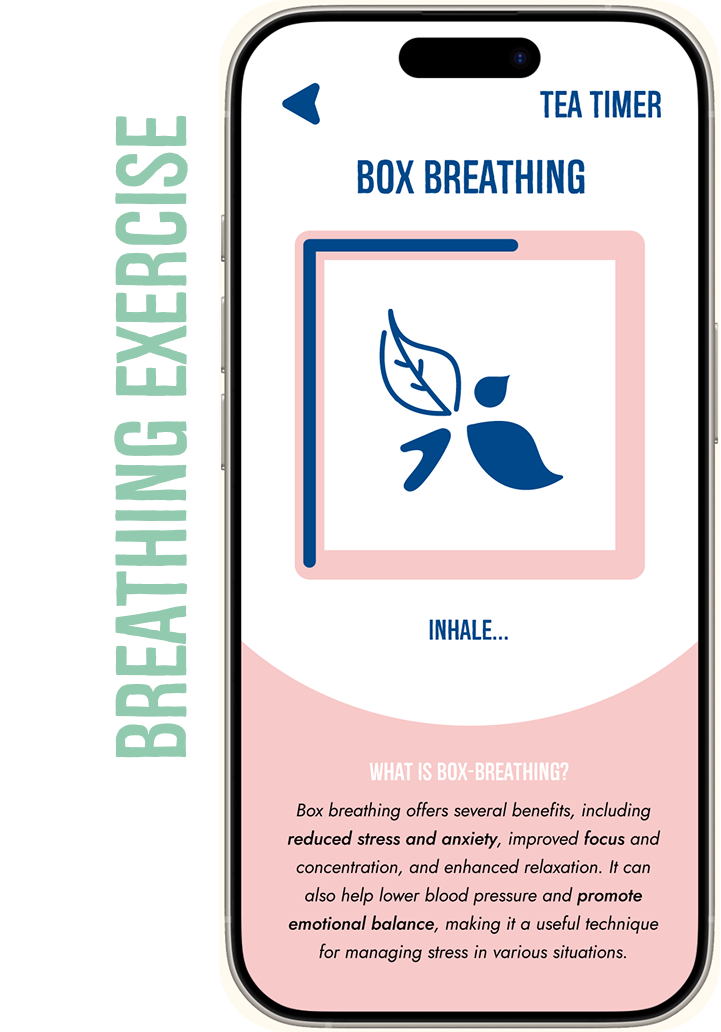
“Sip-sized” nourishment exercises utilizing wait-time
Guided meditations, breathwork, journal prompts
Secondary & Implicit Features
Bird & Blend Tea Tracker/Checklist
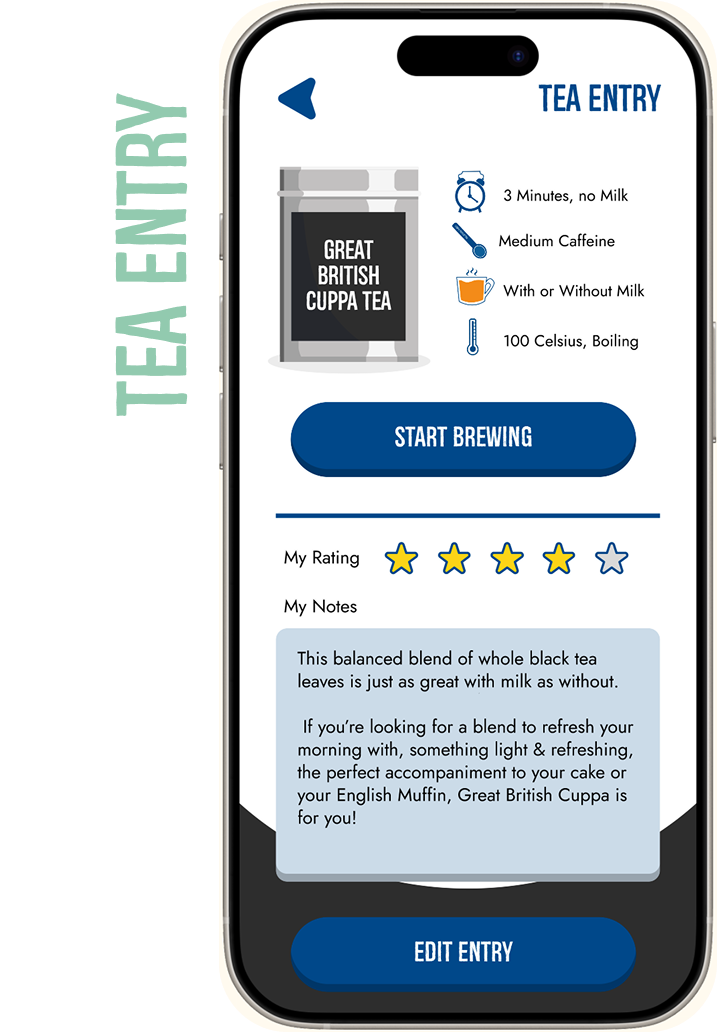
Personal notes and ratings
B&B provided brewing information and user’s personalization
Early Prototyping
Low-Fidelity Mockup
I created this mockup to simply establish dimensions, layout, and to simulate a user’s journey. The goal was a familiar, second-nature app flow that didn’t involve a steep learning curve.
I led a casual walkthrough with a potential user.
Use of the mock-up felt “natural”, with “standard” flow.
The homepage catalogue felt unique
Especially emphasized that the timer page layout felt very familiar, similar to a default timer app.
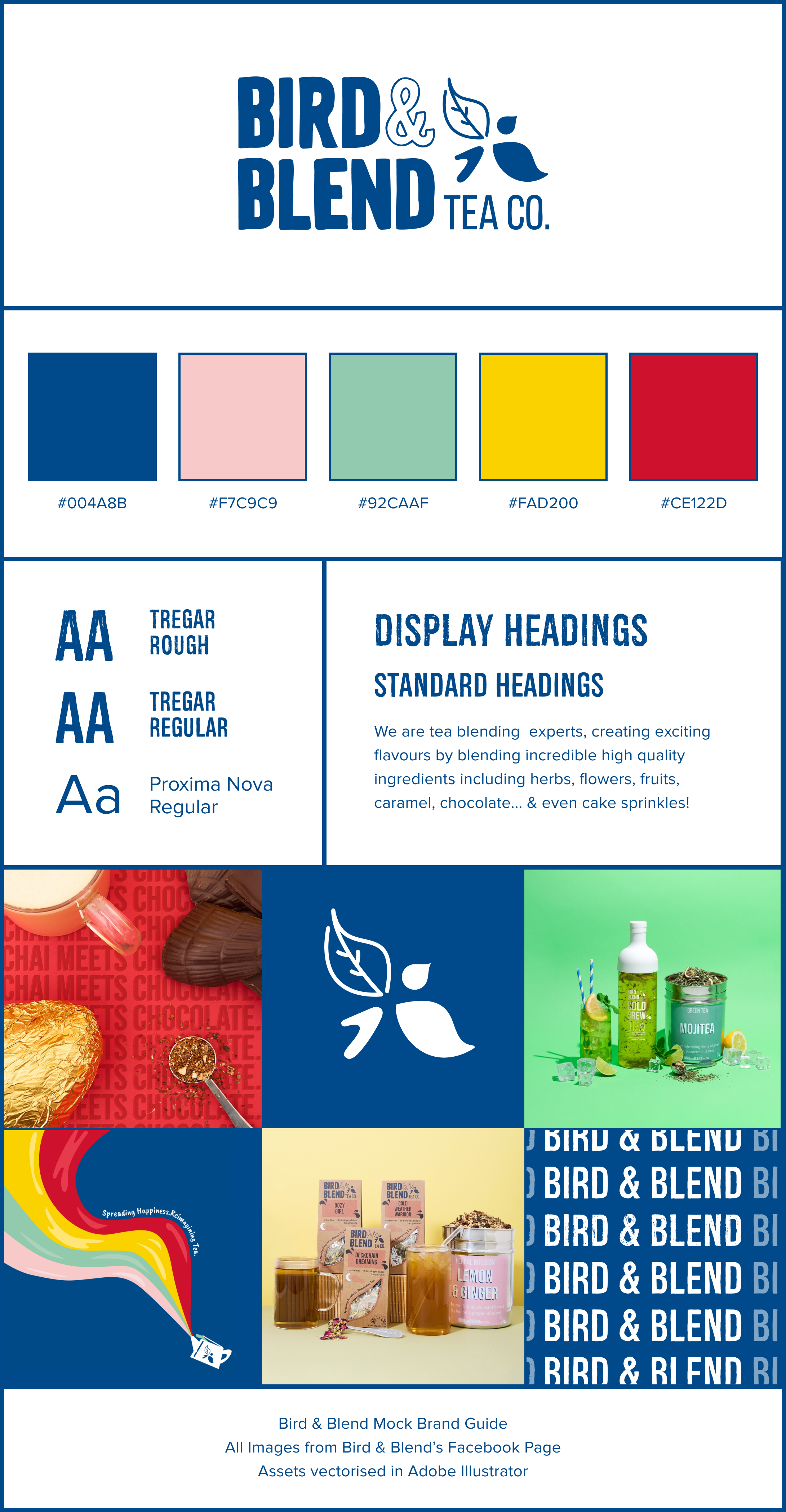
Visual Guide
I referenced B&B’s website and social media to assemble a simple visual guide to adhere to for the rest of my project.
Asset Creation
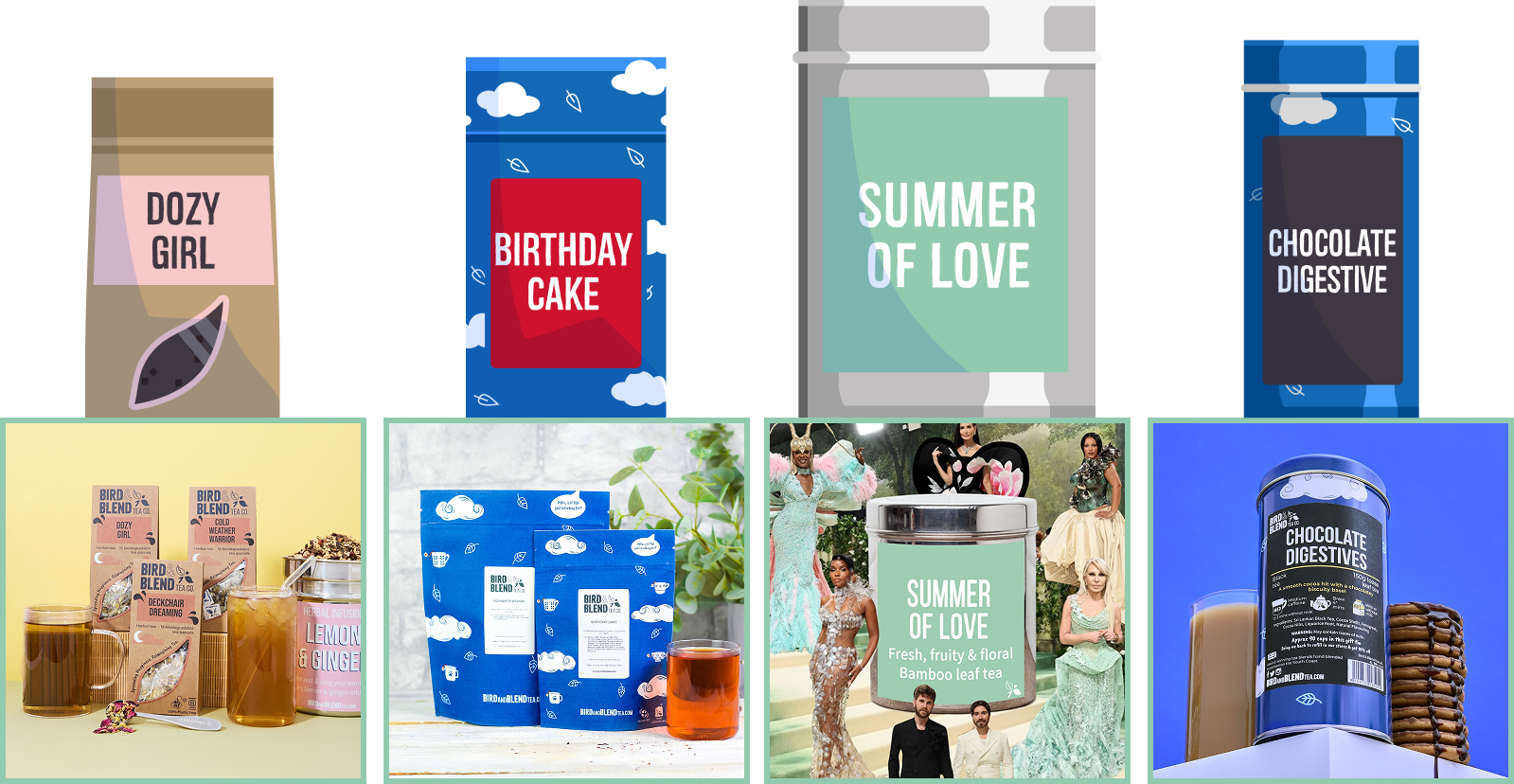
I began designing vector assets in Figma and Illustrator to use in my next mock-up.
To preserve the eclectic charm of B&B’s physical stores through a digital medium, I referenced B&B’s physical packaging and store interior design seen in my primary research.

Visual Research & Design
In my second primary survey when asked about what about B&B appeals to them, 50.9% of responding Brew SocieTea members included the company’s “branding and aesthetics”.
Preserving the brand’s recognizability and visual appeal would be crucial for the new product to appeal to current fans.
Final Prototyping
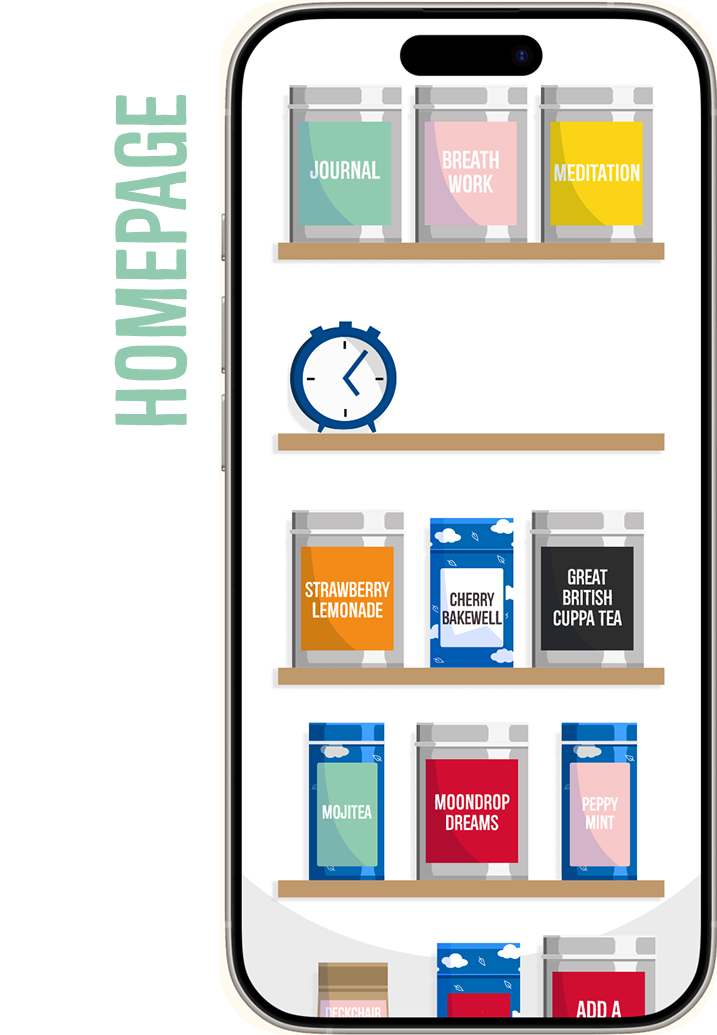
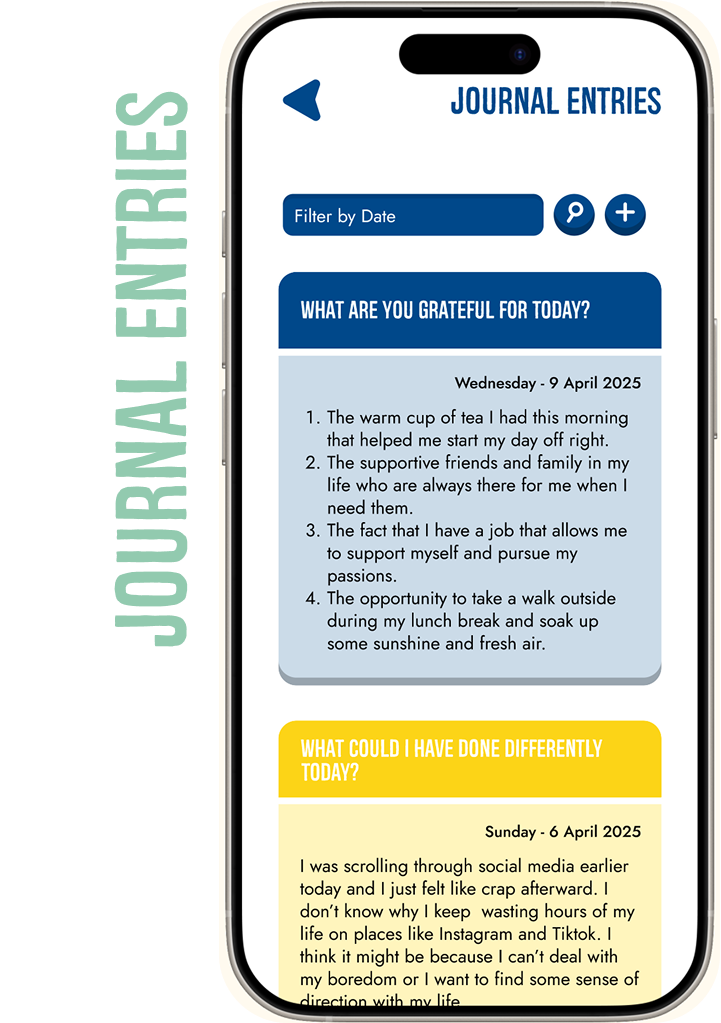
Medium-Fidelity Mockup
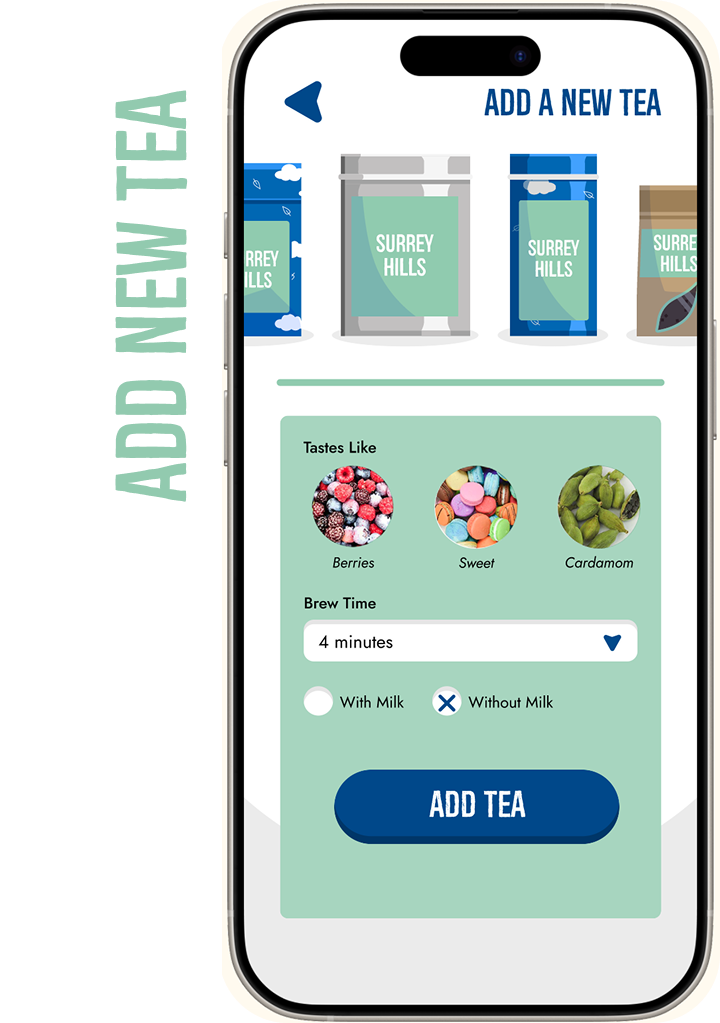
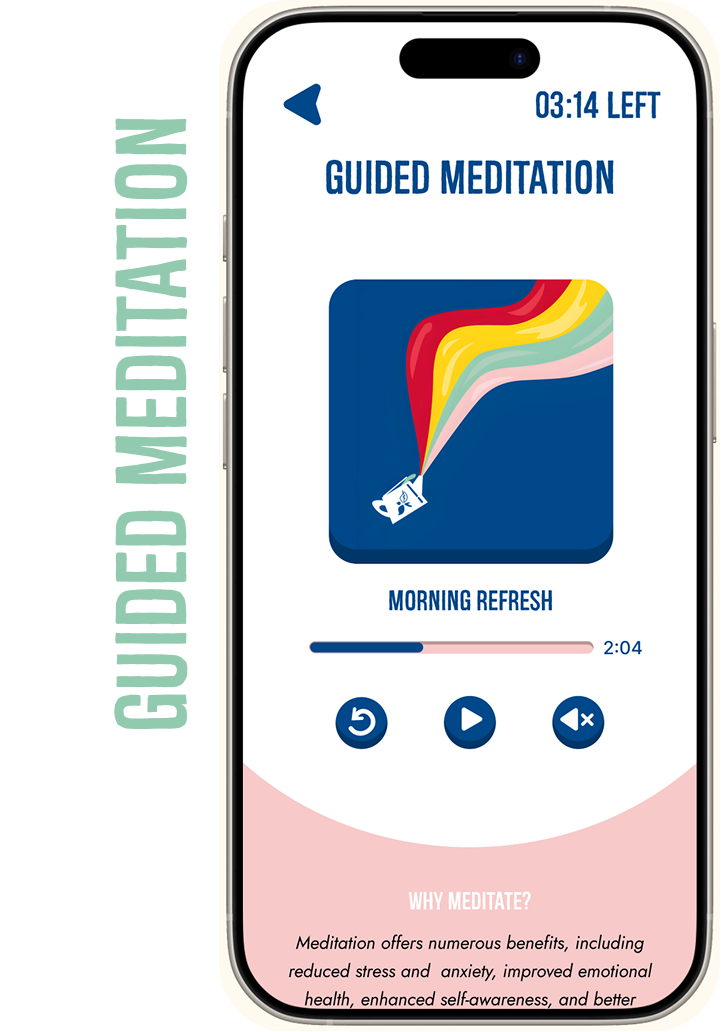
Preserving the established user journey and taking the evaluation into consideration, I incorporated the visual language of B&B into the mock-up.
Reflection & Evaluation
Product Design Specifications
I conducted two unguided walkthroughs of the medium-fidelity prototype. The two users were both current B&B products users.
-
Both reported as easy to navigate
Homescreen buttons are homogenous, unique icons would reduce need to read labels
-
Visuals & aesthetics are pretty, and fit Bird & Blend well.
Button scaling and text placement are awkward at times
-
On-boarding is simple, but works
Adding more packaging types would be fun!
-
A non-UK user was reminded of perusing an in-person B&B store
-
Satisfied with range of features
Liked that it was compatible with non-B&B teas
“Checklist”, packaging icons, automatically filled brewing info gently encouraged users to try B&B teas
Next Steps
Expert or Stakeholder Product Evaluation
Functional Prototype & Field Diary Testing
Further Custom Asset Creation
Product Development & Release