
ReStash
Exploring the circular economy through physical and mobile design.
ReStash is a modular sewing kit made from secondhand materials, paired with a companion app that promotes clothing repair, sustainable material sourcing, and community interaction.
Period: September 2024 - January 2025
Role: Solo Project
Programs: Figma, Illustrator
Advisor: Claire Potter
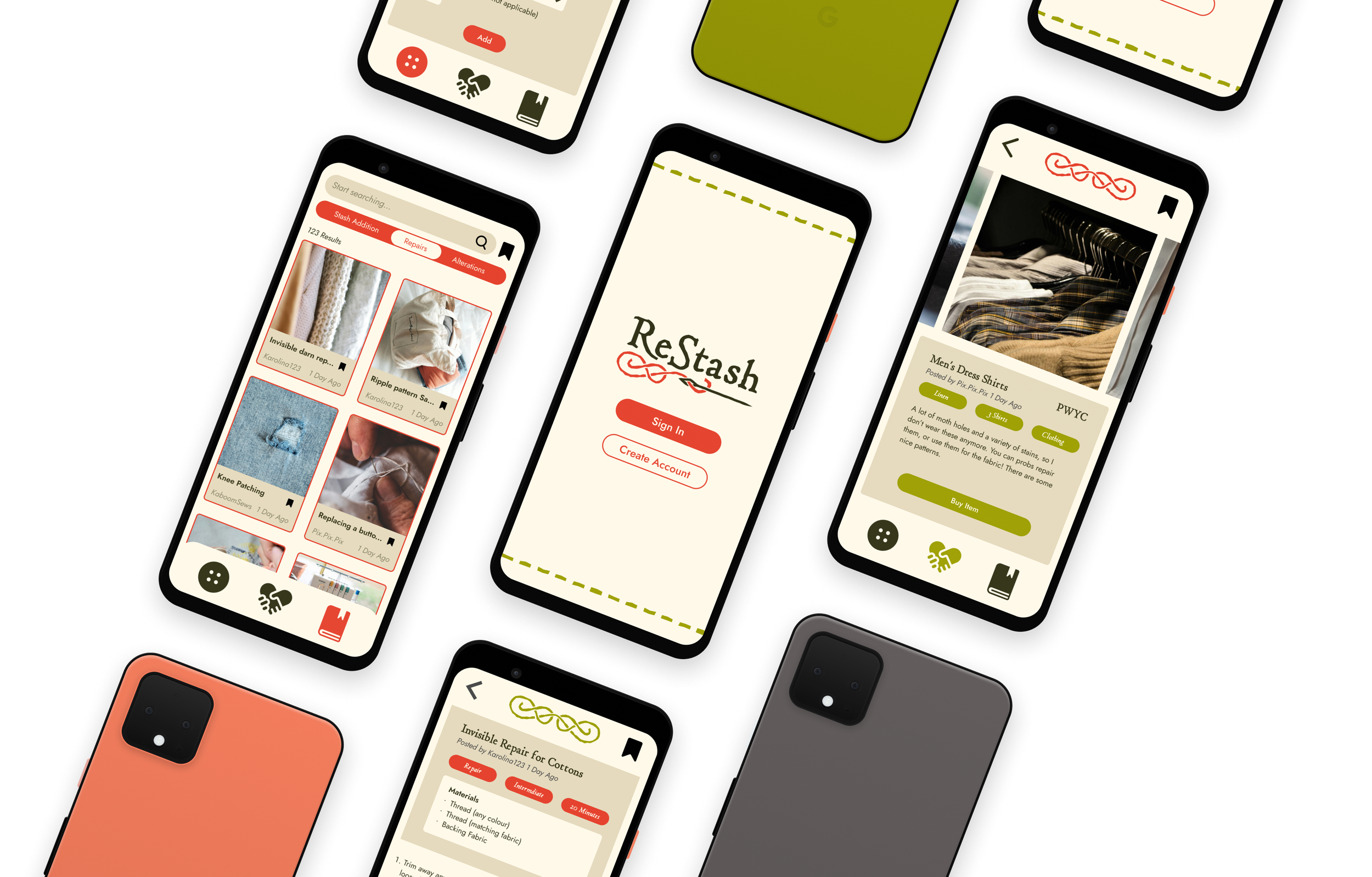
Brief
Design a physical product for London Road, a Brighton high street with an eclectic mix of businesses. It must align with circular economy principles and facilitate further engagement in circular practices.
The Circular Economy
A framework that seeks to move away from the traditional "take-make-dispose" model toward a system built on reuse, repair, and regeneration. By keeping materials in use for as long as possible, the circular economy aims to minimize waste.
Research & Definition
Local Research
To analyze existing circular systems and practices along London Road, I created an illustrated, interactive map in Figma.
Using secondary research, it catalogues every establishment along the road by their function and what circular practices they use.
Global Research
Having had previous interest in the global issue of textile waste and fast fashion, I conducted further research into the matter, identifying it as a global problem space with lots of potential.
10%
of global greenhouse gas emissions are caused by the fashion industry.
60%
more clothing is bought by the average consumer compared to 2014, but kept for half as long.
Problem Space Definition
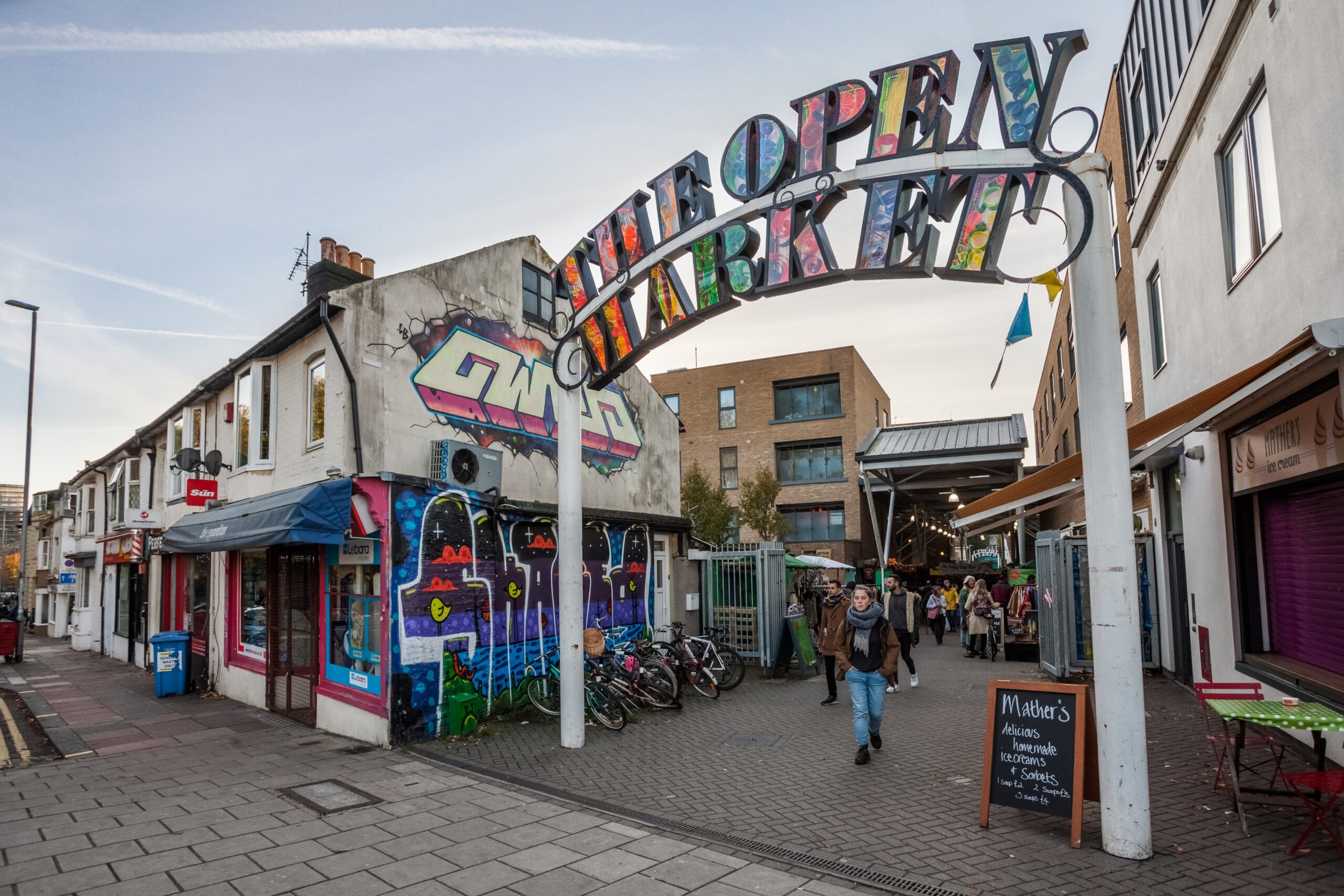
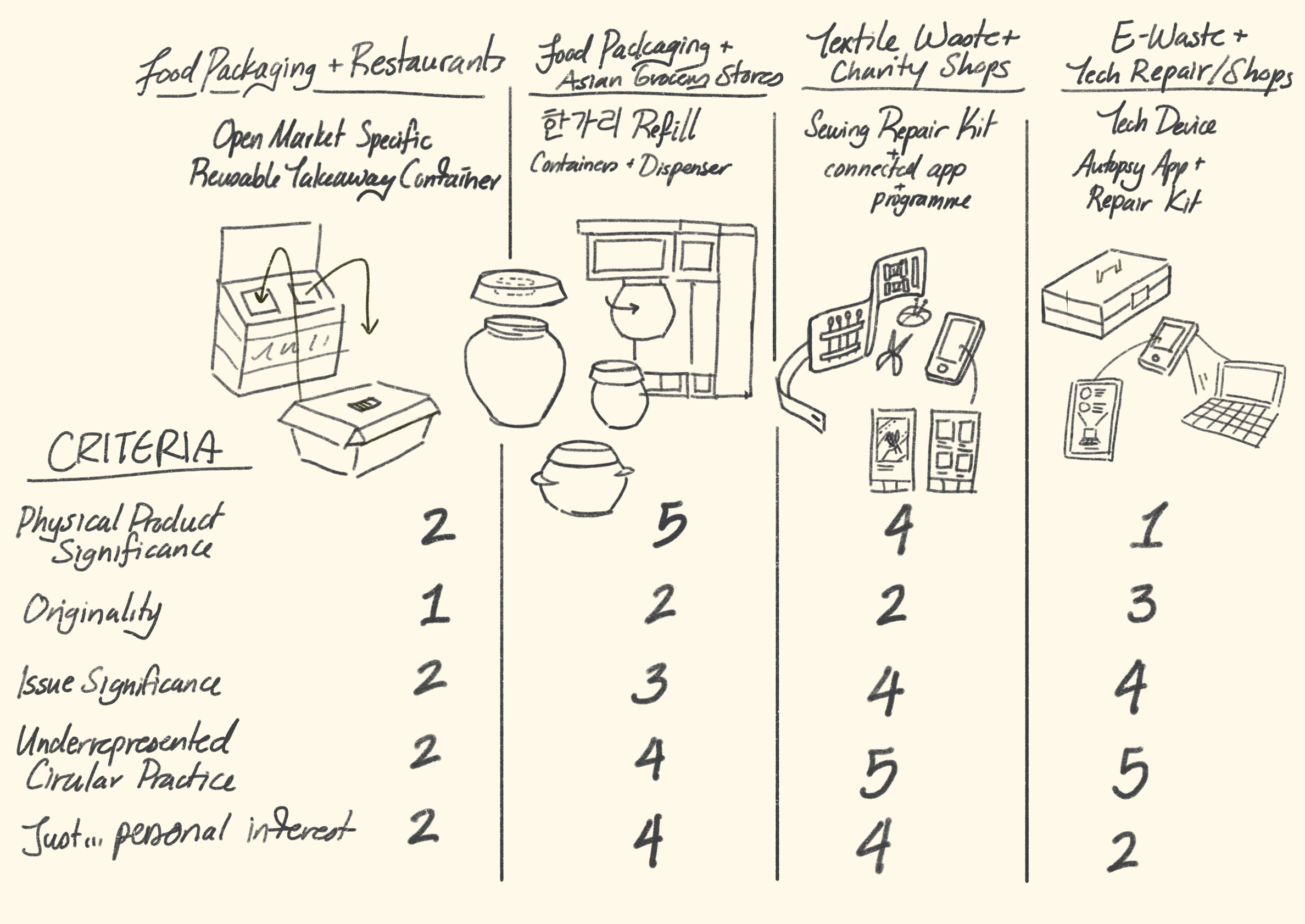
Using the map, I identified some key locations along London Road that contribute to or could enhance circular practices that address this global issue.
Buttons & Bows
A small textile and alteration shop.
Could act as a key local supplier of materials, providing deadstock and materials that cannot be scavenged from clothes.
(Image by Visit Brighton)
Charity Shops
Ten chain charity/second hand shops
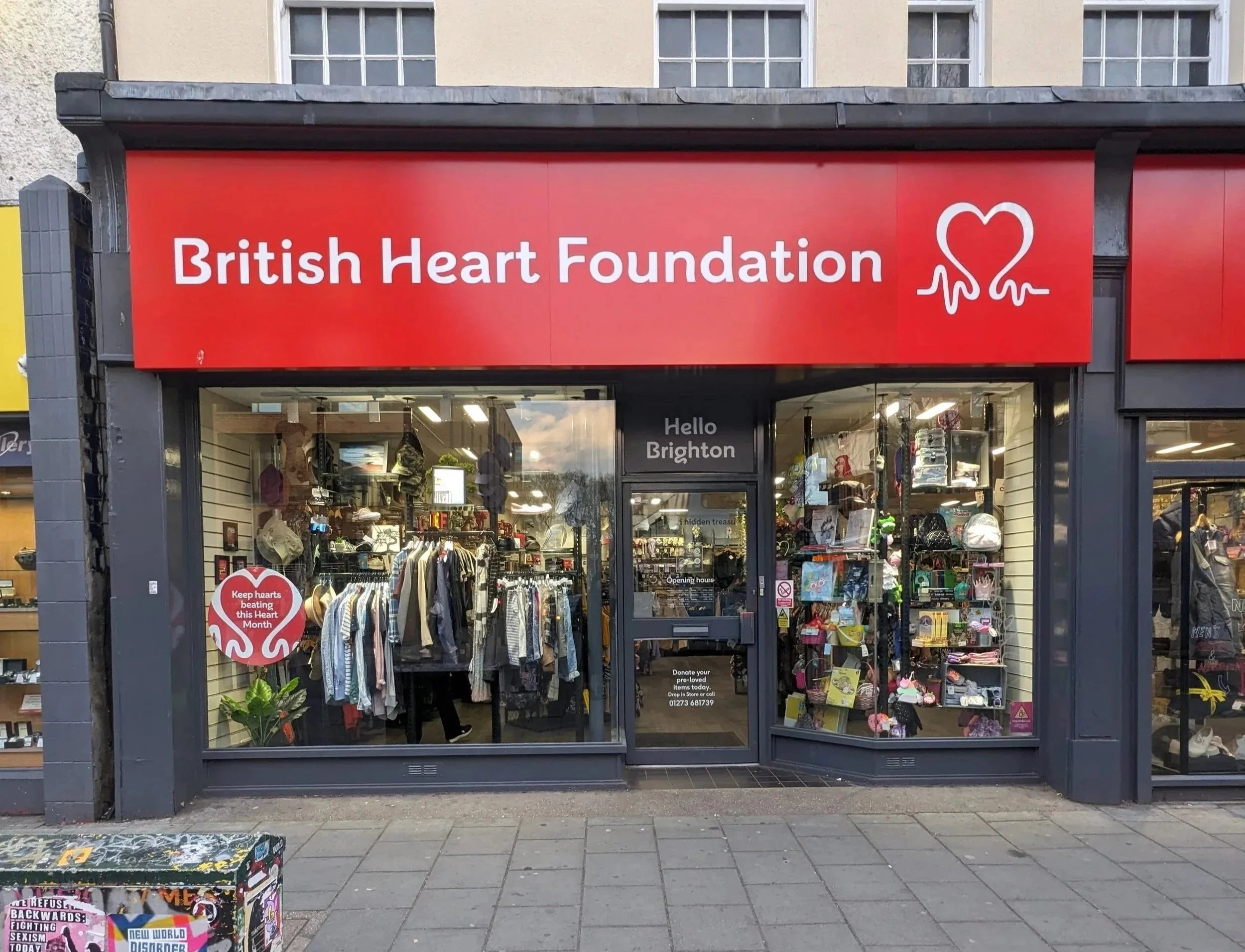
Could provide unsold items to be repaired, tailored, or deconstructed for parts such as fabric, buttons, or zippers.
30%
of donated clothing in charity shops doesn’t get sold, instead getting recycled or disposed of.
Sew Fabulous
A sewing educational non-profit
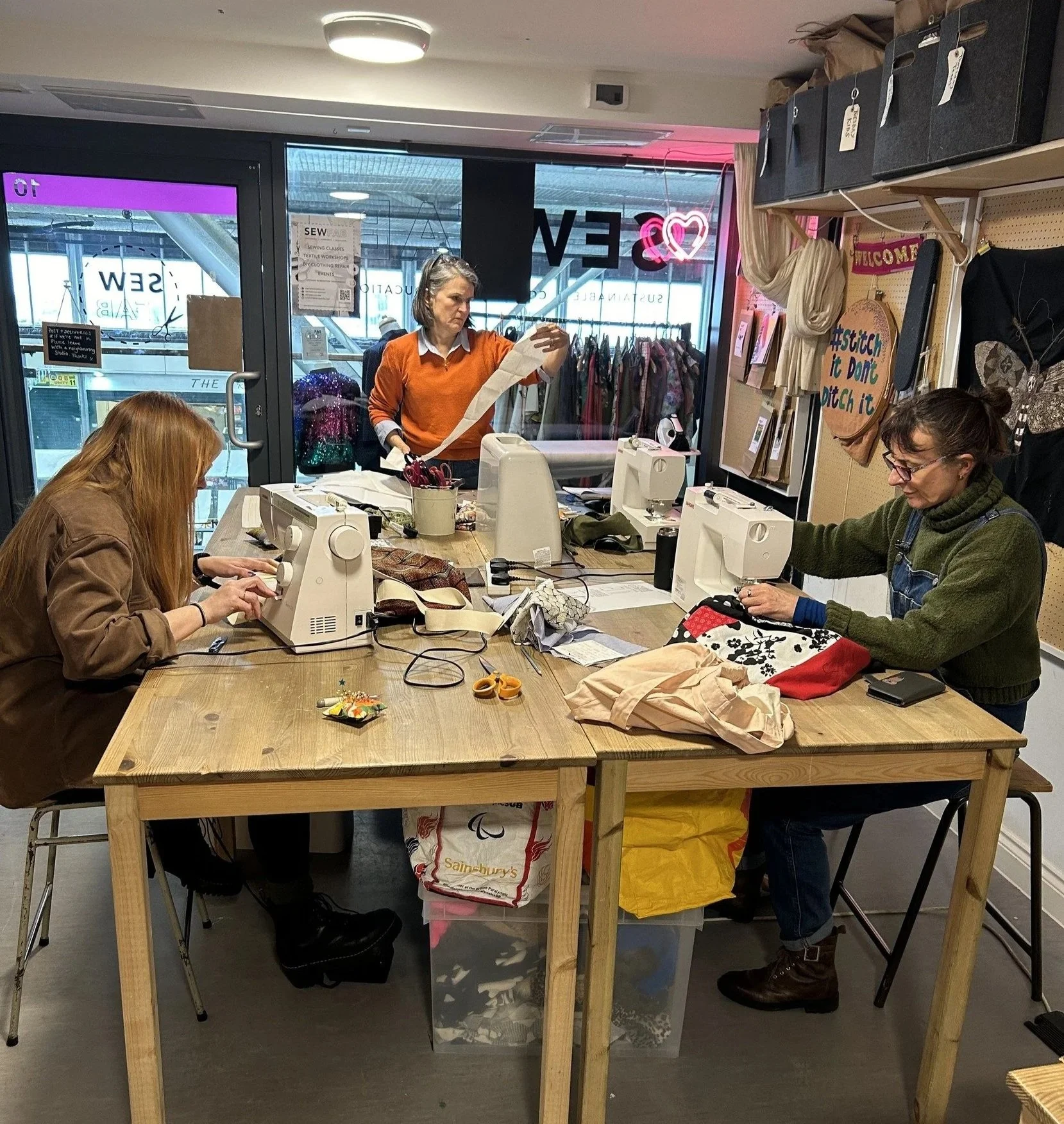
This organization could host workshops that utilize the supplied materials, teaching people repair practices.
(Image by Sew Fabulous)
By connecting these businesses, a localized system could bridge the gap between surplus materials and individuals eager to practice sewing and repair.
Ideation
General Brainstorming
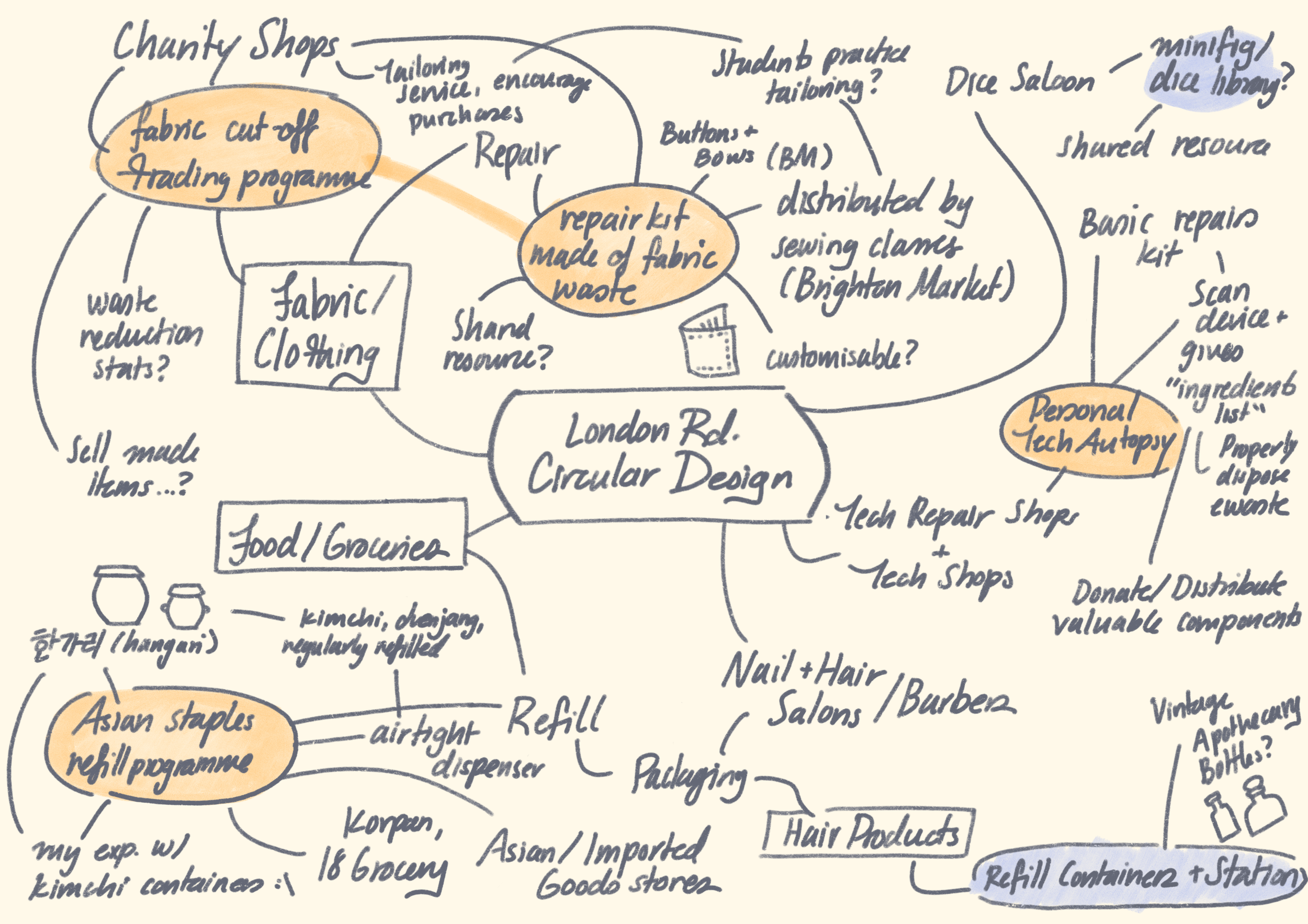
I had been continuously mindmapped promising problem spaces and product ideas throughout my research.
Now with a specific problem space, I refined the mind-mapped idea to target the following goals:
Utilize and connect the businesses along London Road.
Encourage casual consumers and new sewists to adopt waste-reducing repair practices.
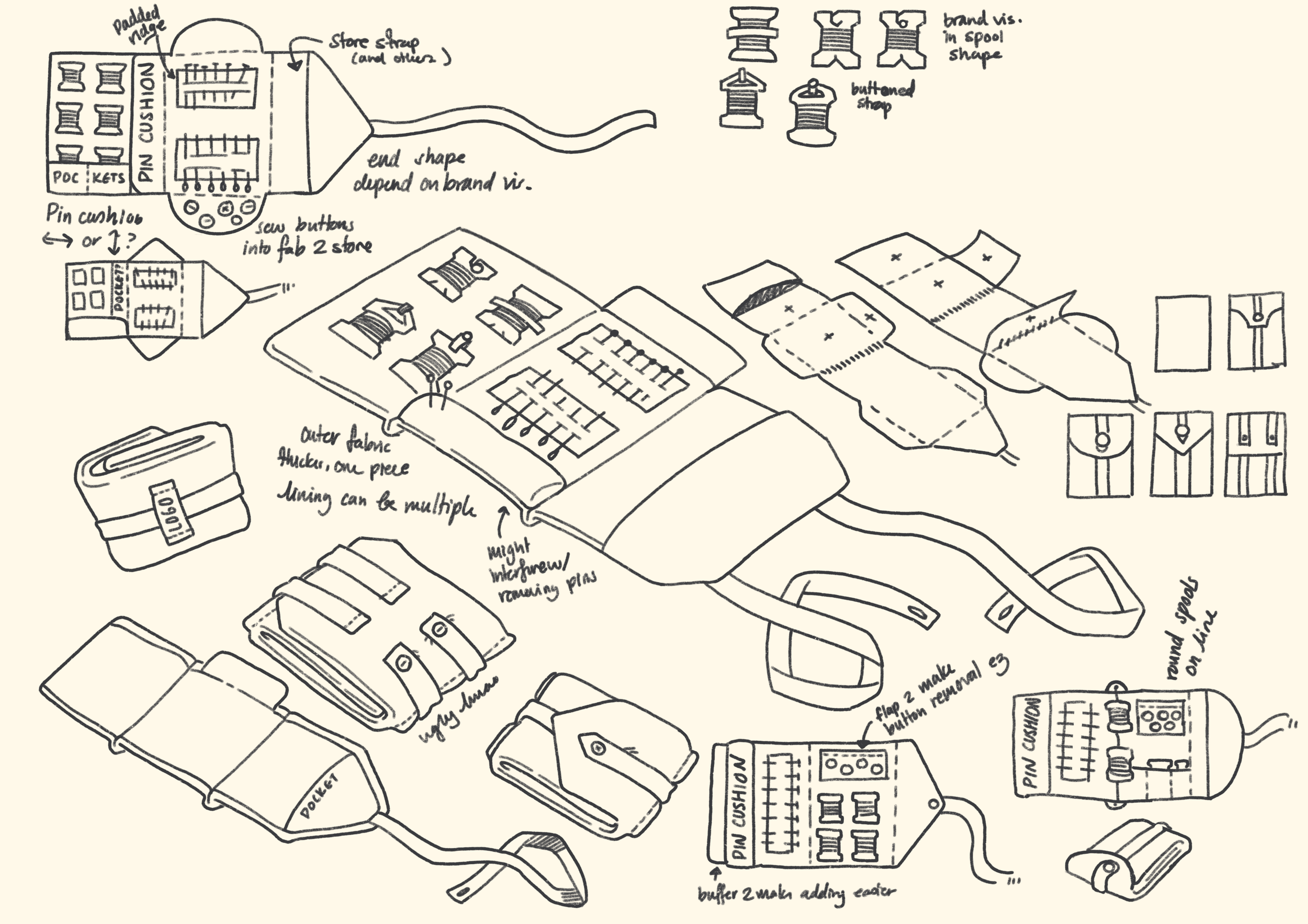
The sewing kit...
Can be made in one workshop session, teaching foundational skills.
Features a modular design for user customization; as a sewist learns, they can add new compartments or embellishments
Starts out wallet-sized: convenient to carry, but can accommodate all basic sewing supplies.
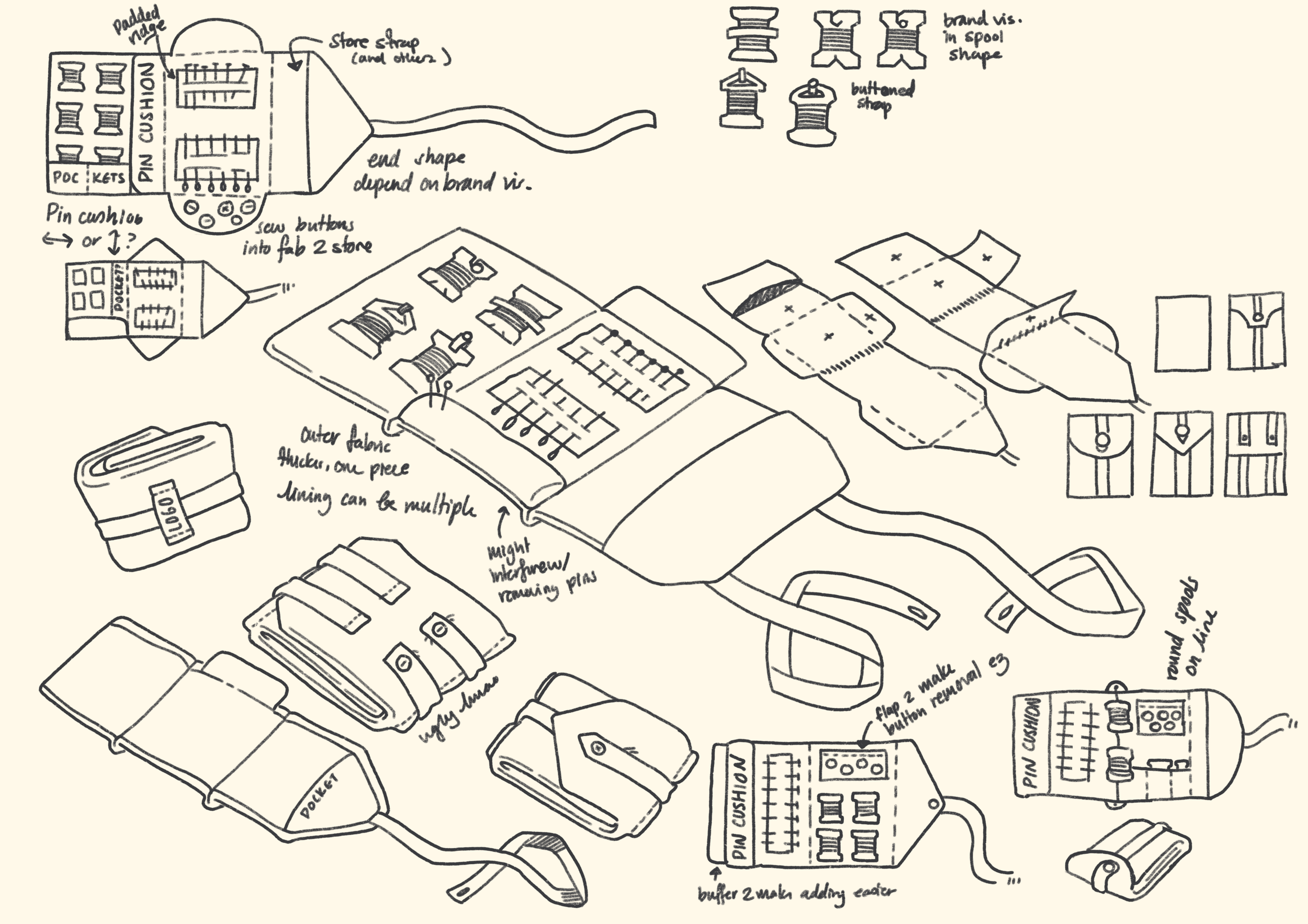
Selected Concept
The result was a two-part solution: a physical sewing kit and a companion digital app.
The sewing kit...
Is an introductory tool for sewists
Is easy to make from cut-off materials
Features a modular, customisable design that can adapt as beginners progress.
Mood Board
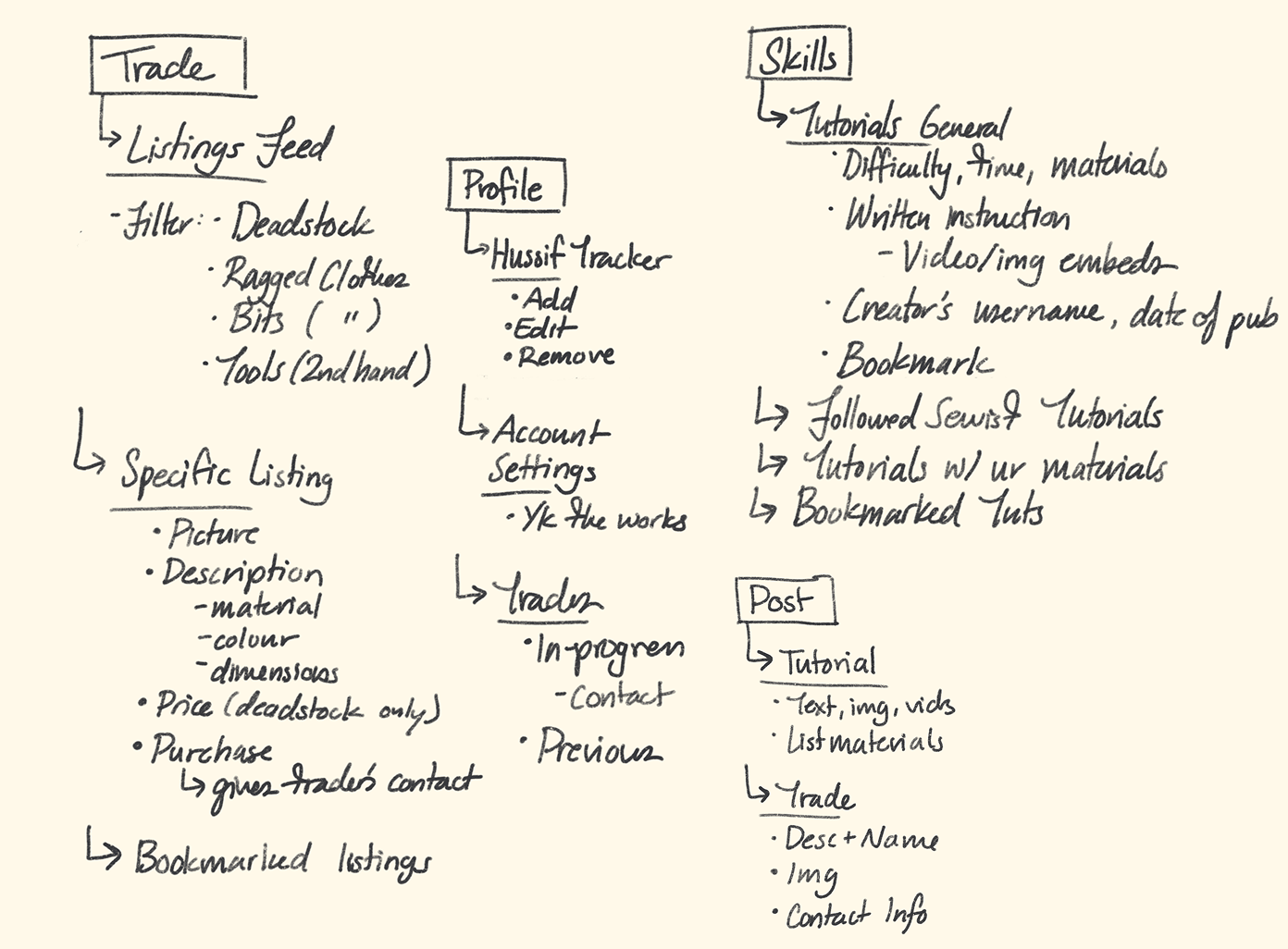
My mood board drew inspiration from 17th- and 18th-century hussifs and simple sewing projects, informing my thumbnailing.
The app…
Is a digital extension of the kit
Connects users to a wider community for resources and learning
Encourage sustainable sewing and repair habits
The app...
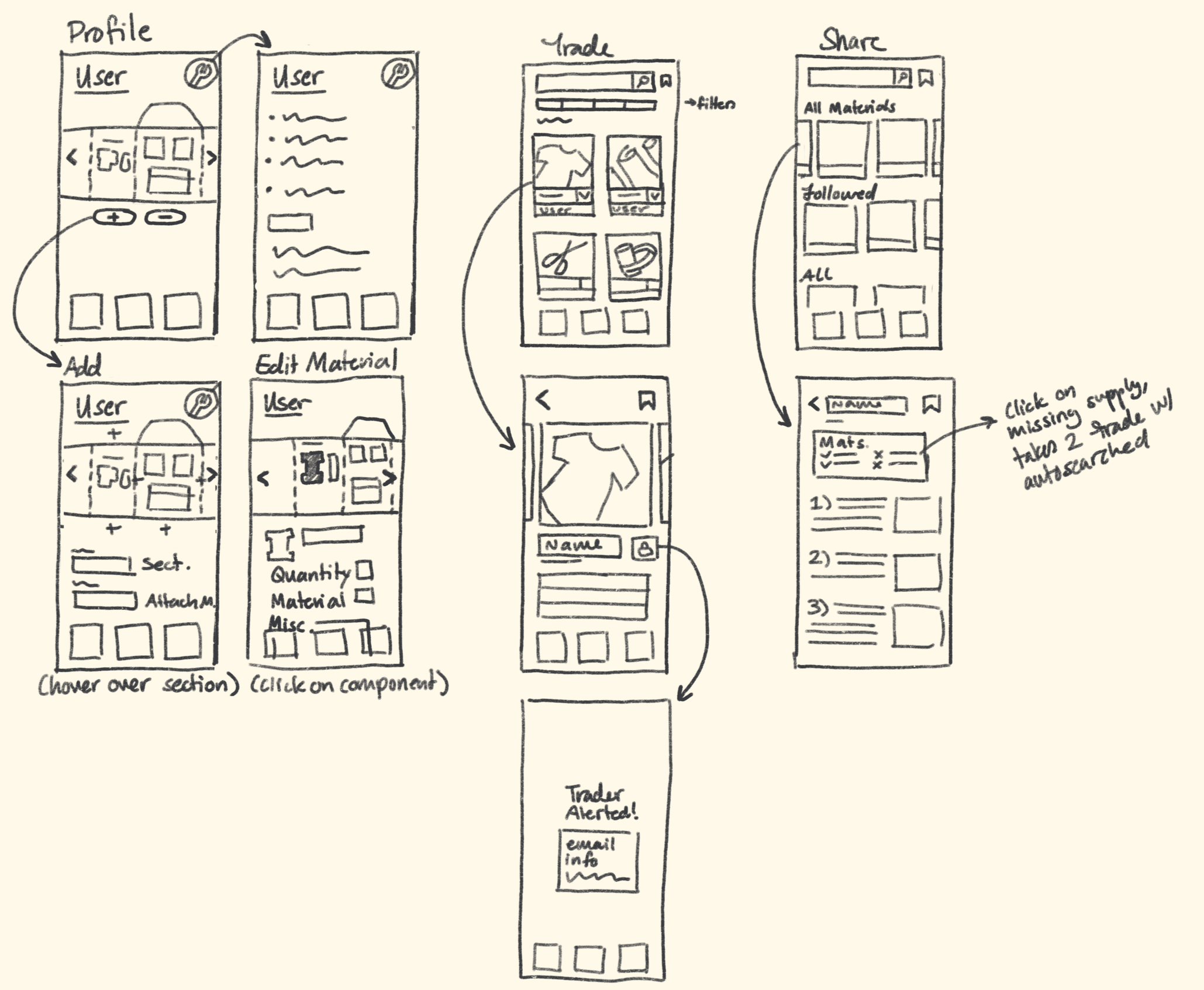
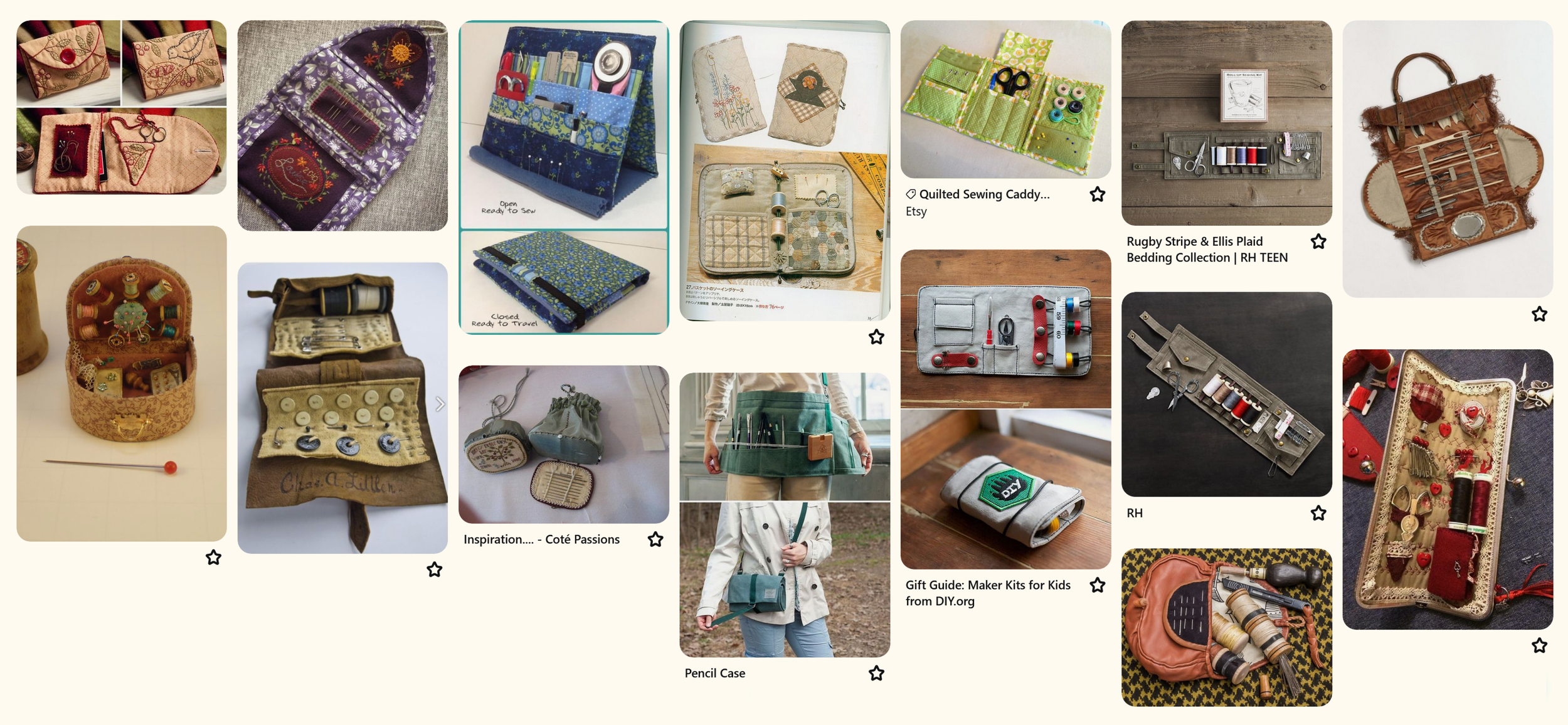
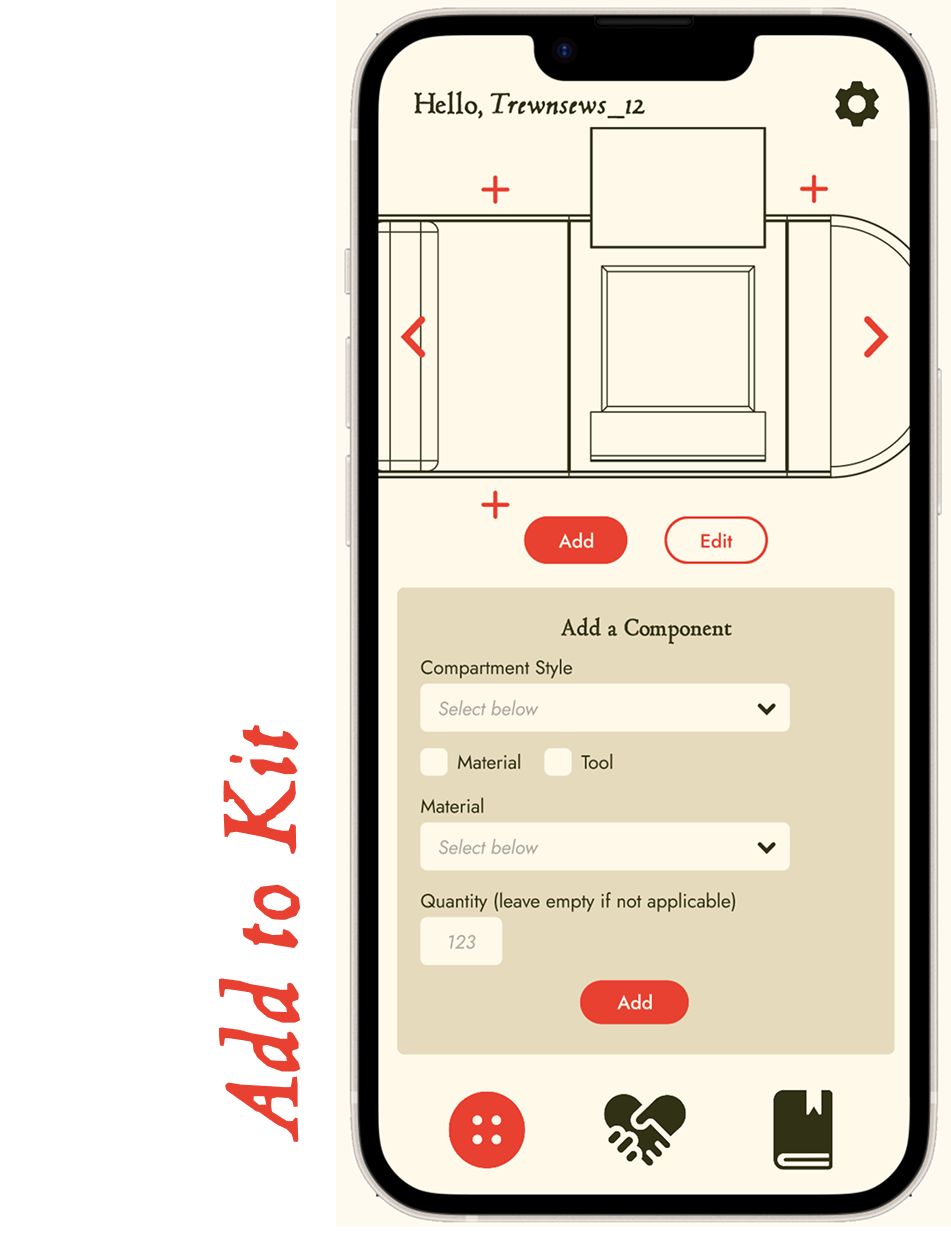
Has a supply tracker where users can log their kit modifications and the supplies stored within.
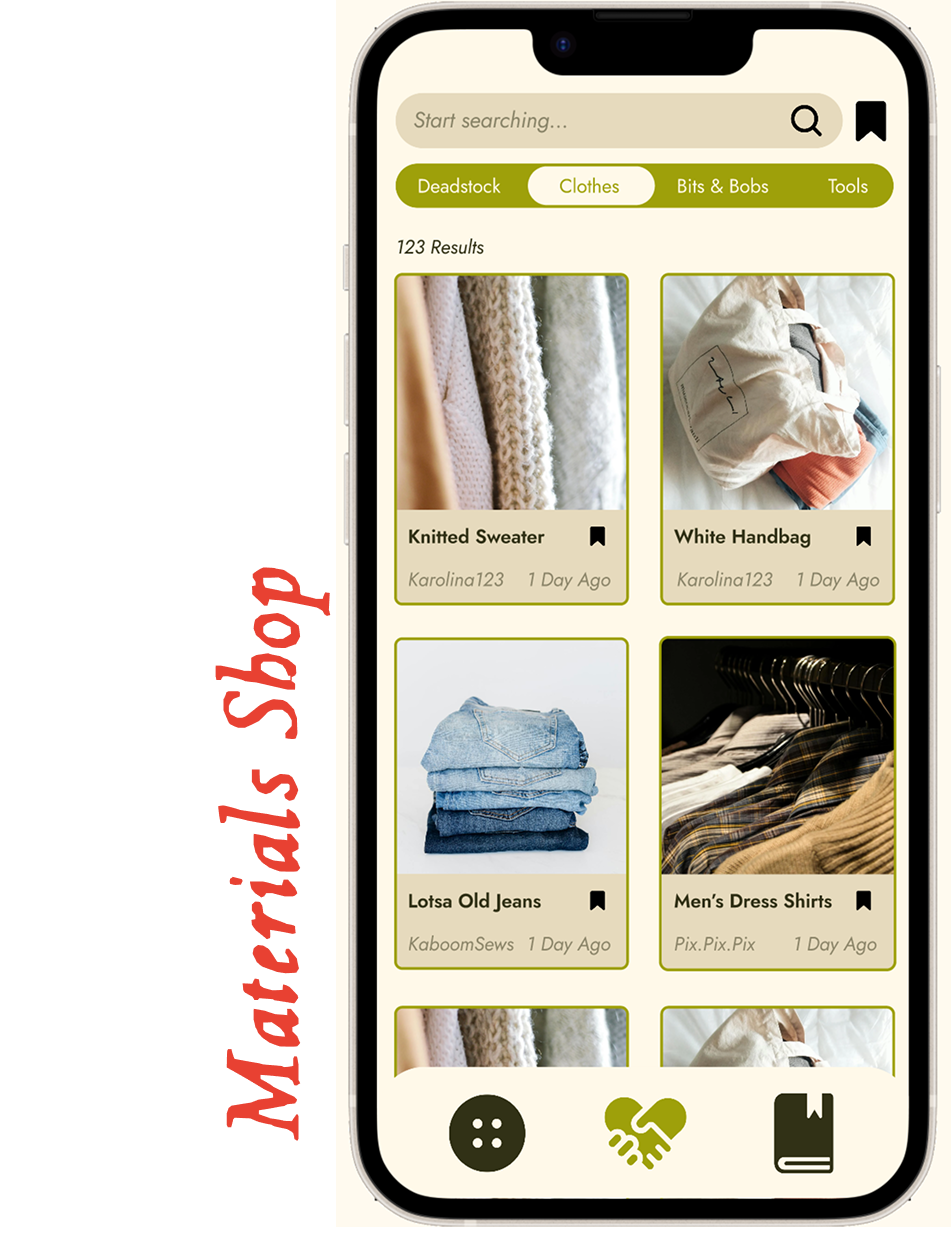
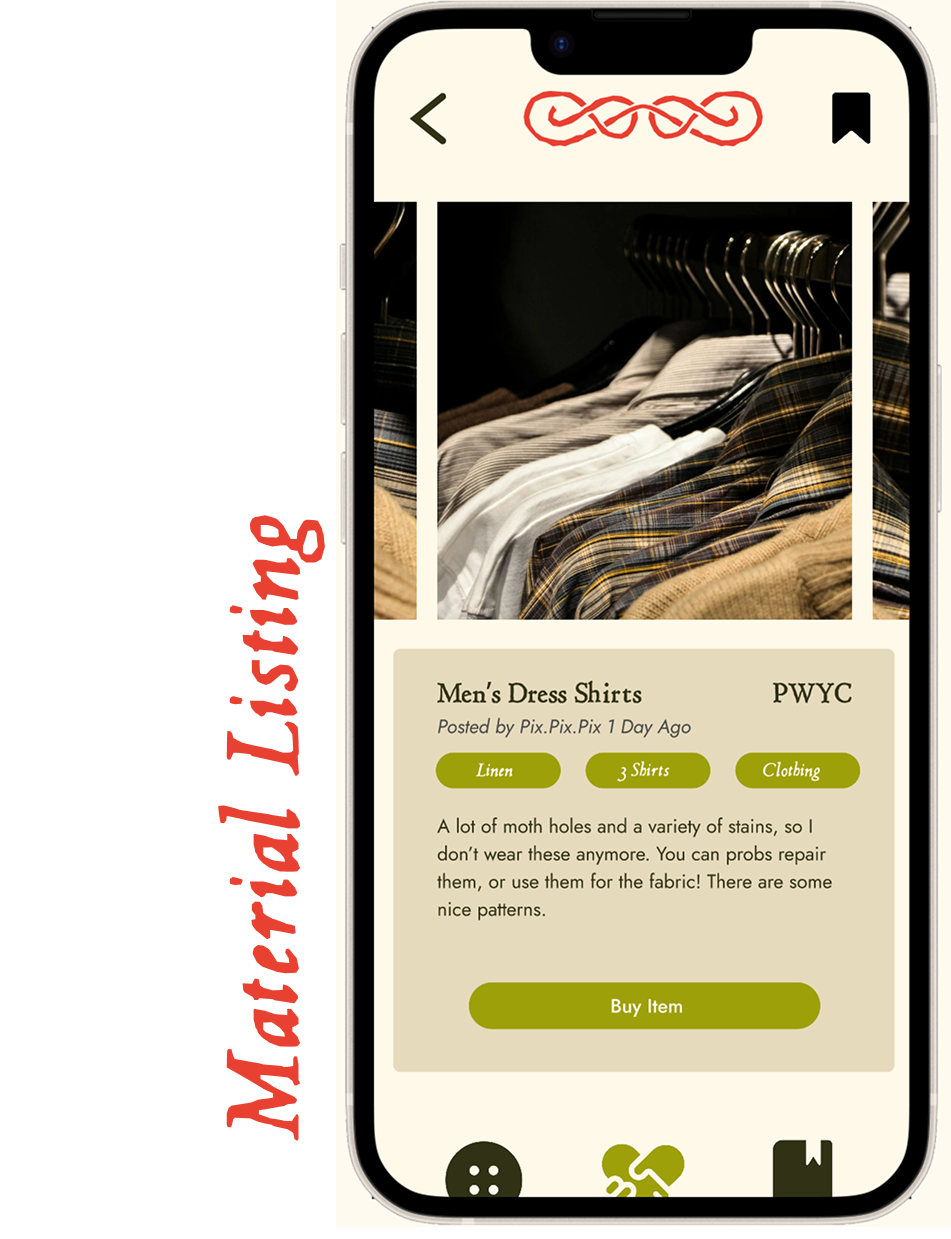
Serves as a secondhand sewing material trade and marketplace for Brighton residents.
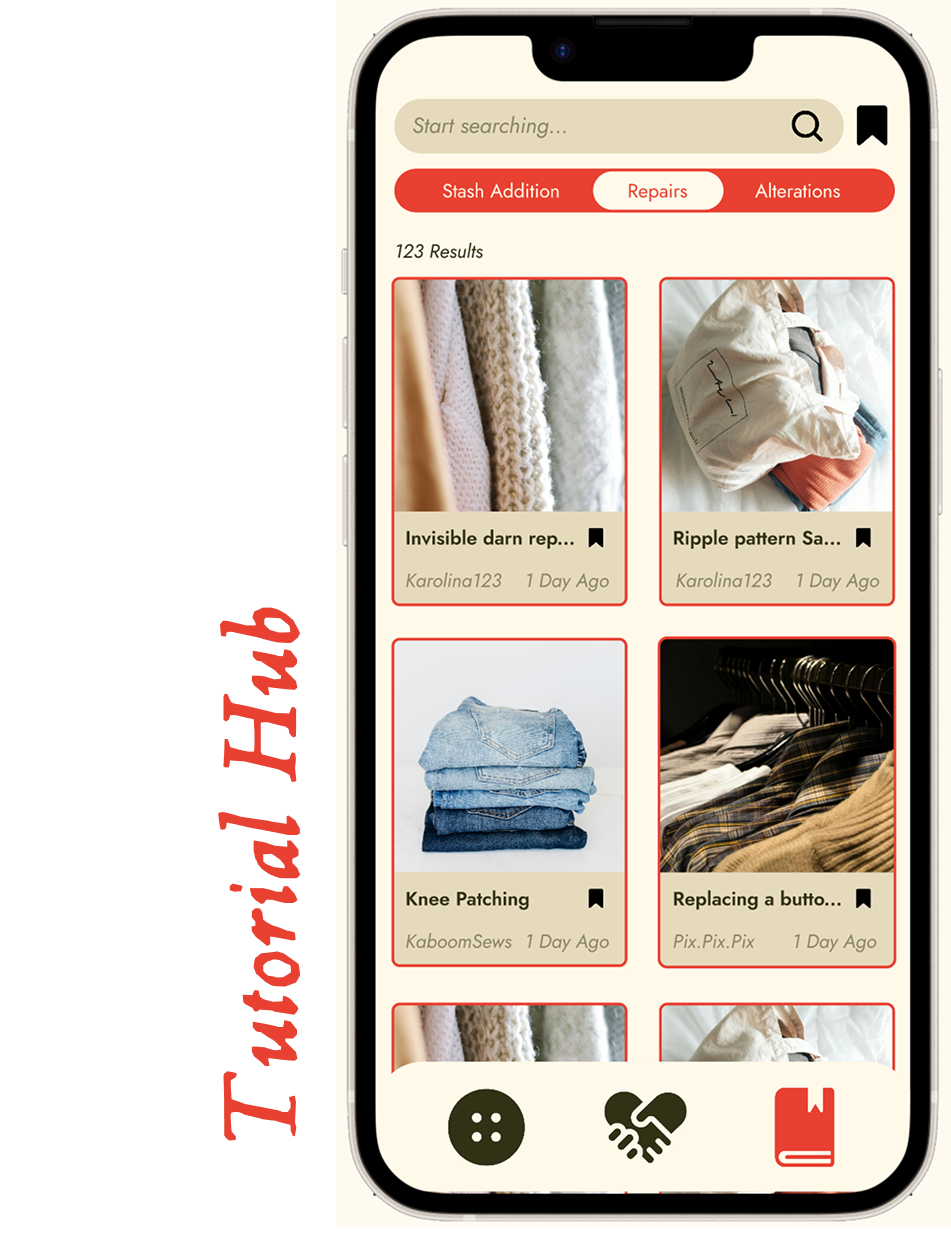
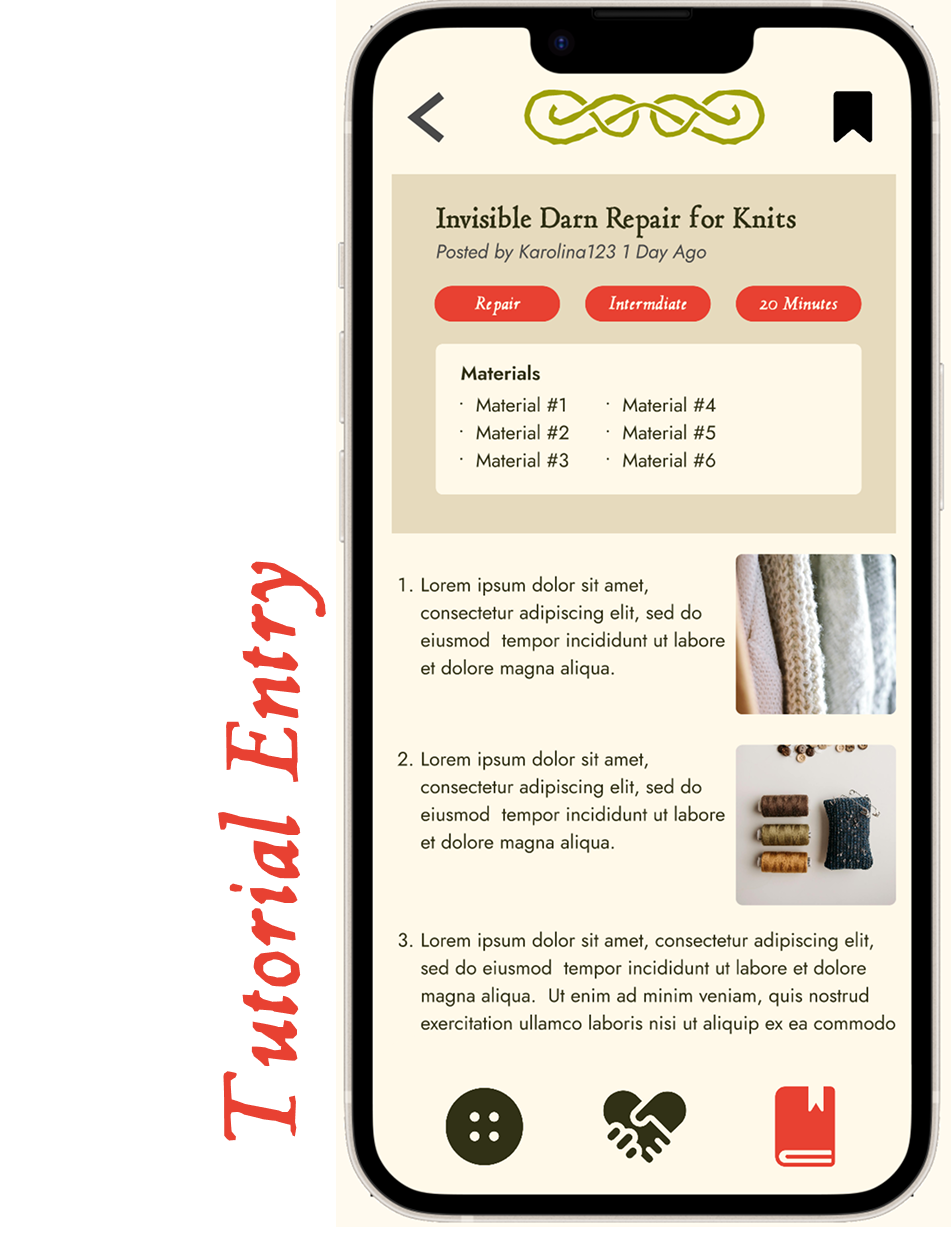
Features a tutorial hub with user-uploaded repair tutorials and kit modifications.
Concept Refinement
Prototyping
Brand Design
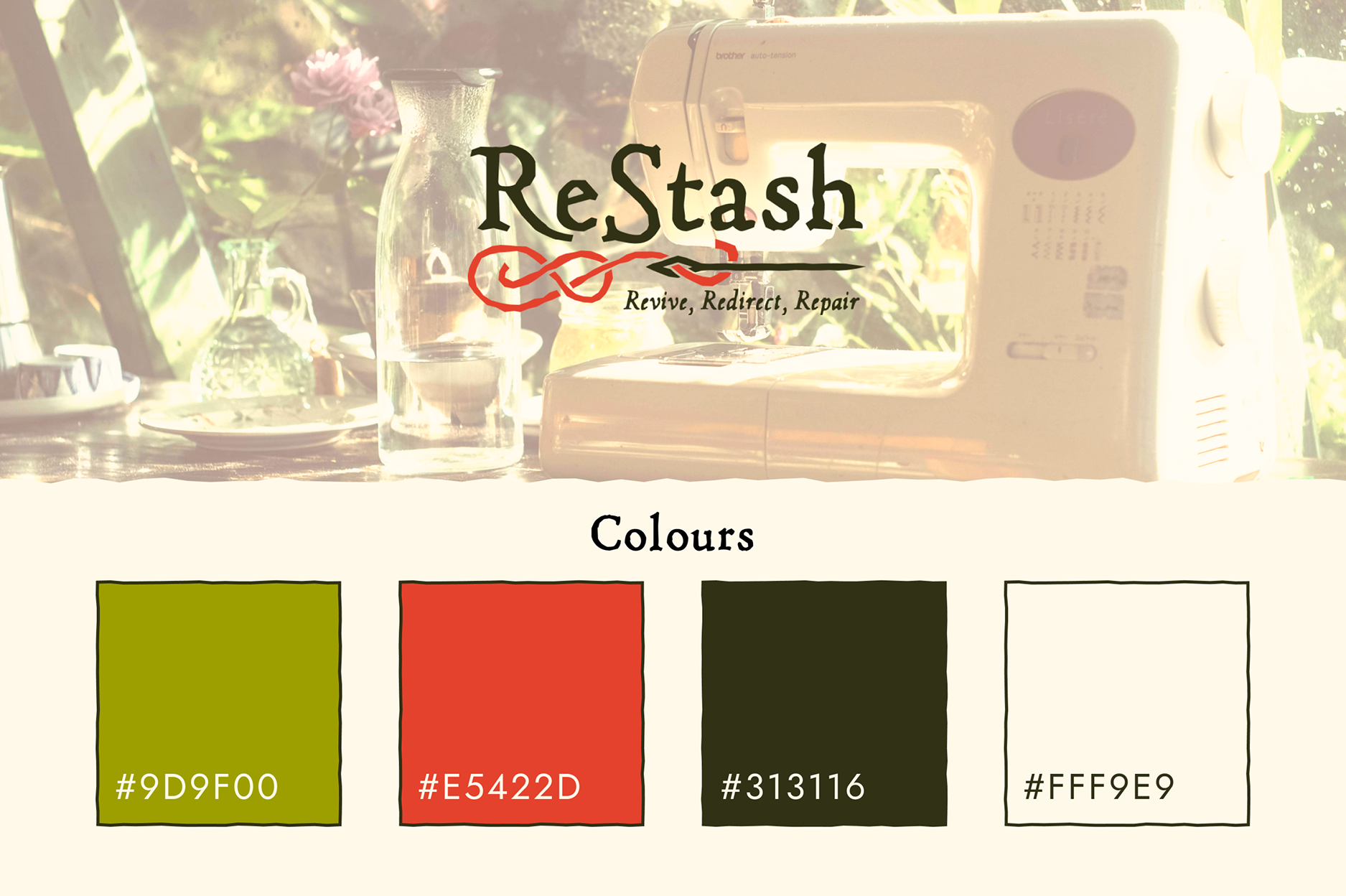
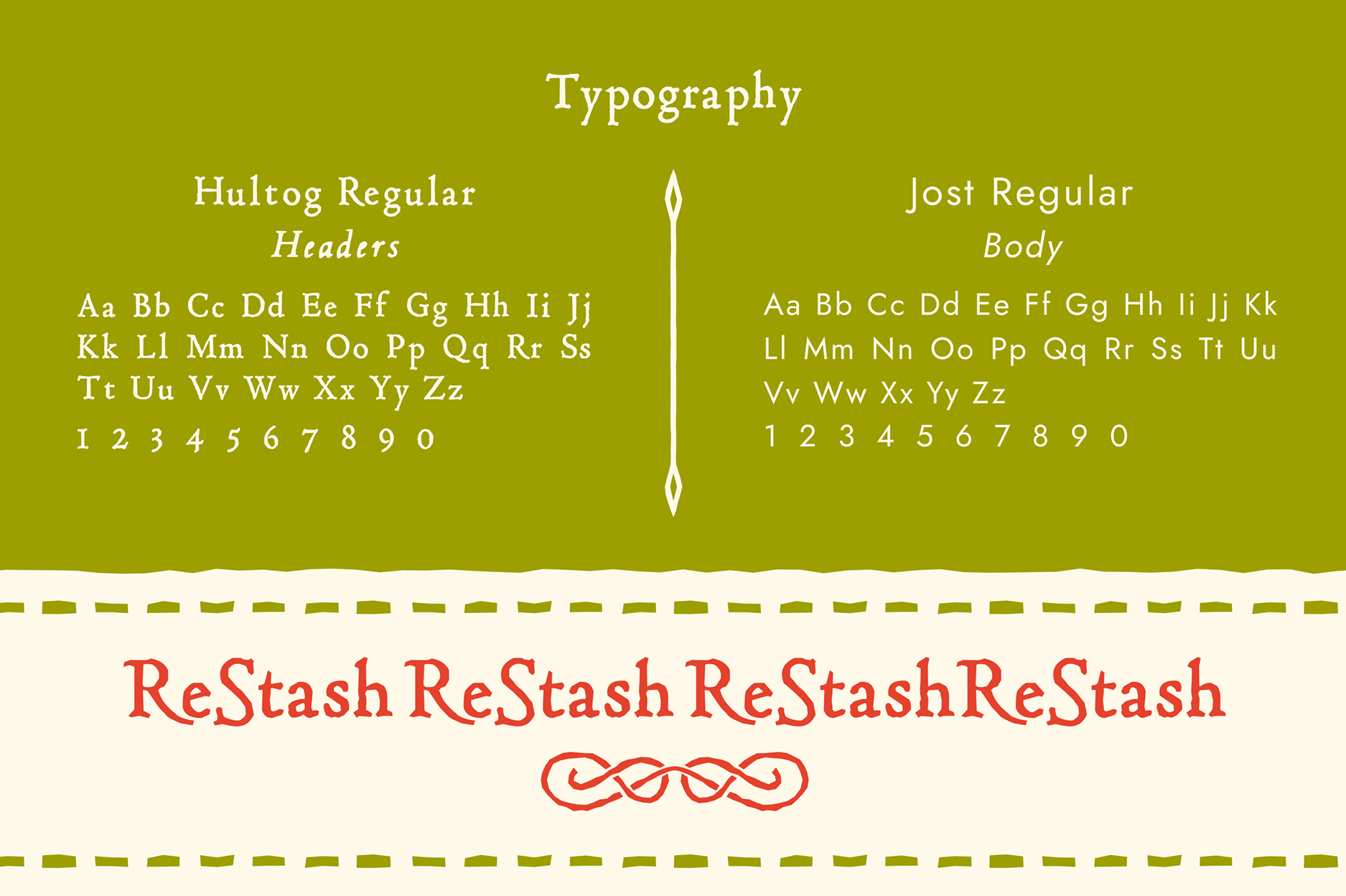
I drew heavily from historical inspirations for ReStash’s brand identity.
Given Brighton’s connection to Queen Victoria and the popularity of hussifs during her reign, this thematic tie felt fitting. The visuals are intended to be incorporated across both the app and the physical product, ensuring a cohesive and recognizable identity.
Physical Mockup
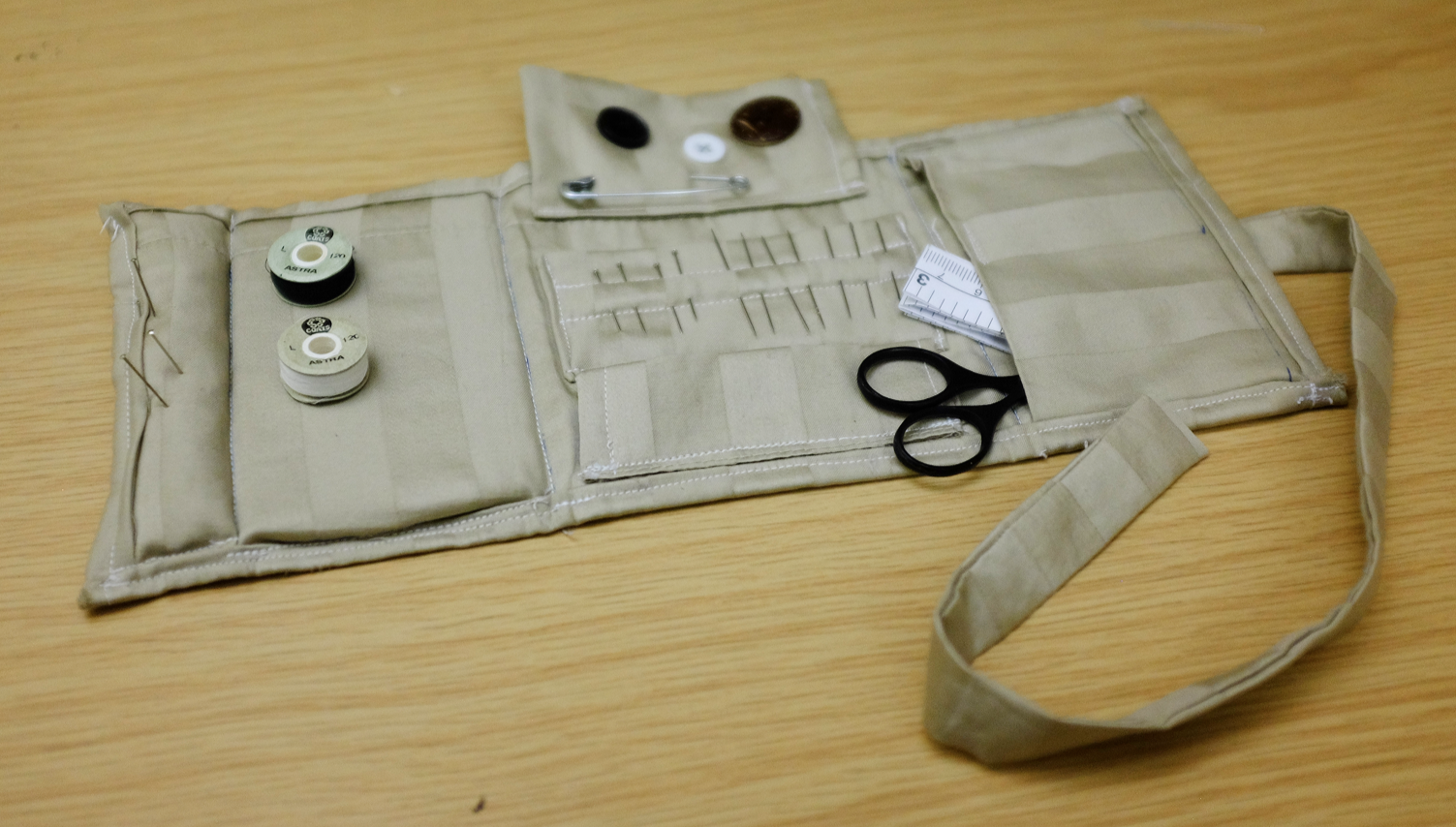
The low visual fidelity prototype tested the product's general form and functions. Since the creation process is integral to the product, constructing the prototype also provided valuable insights into its feasibility and ease of assembly.
Digital Mockup
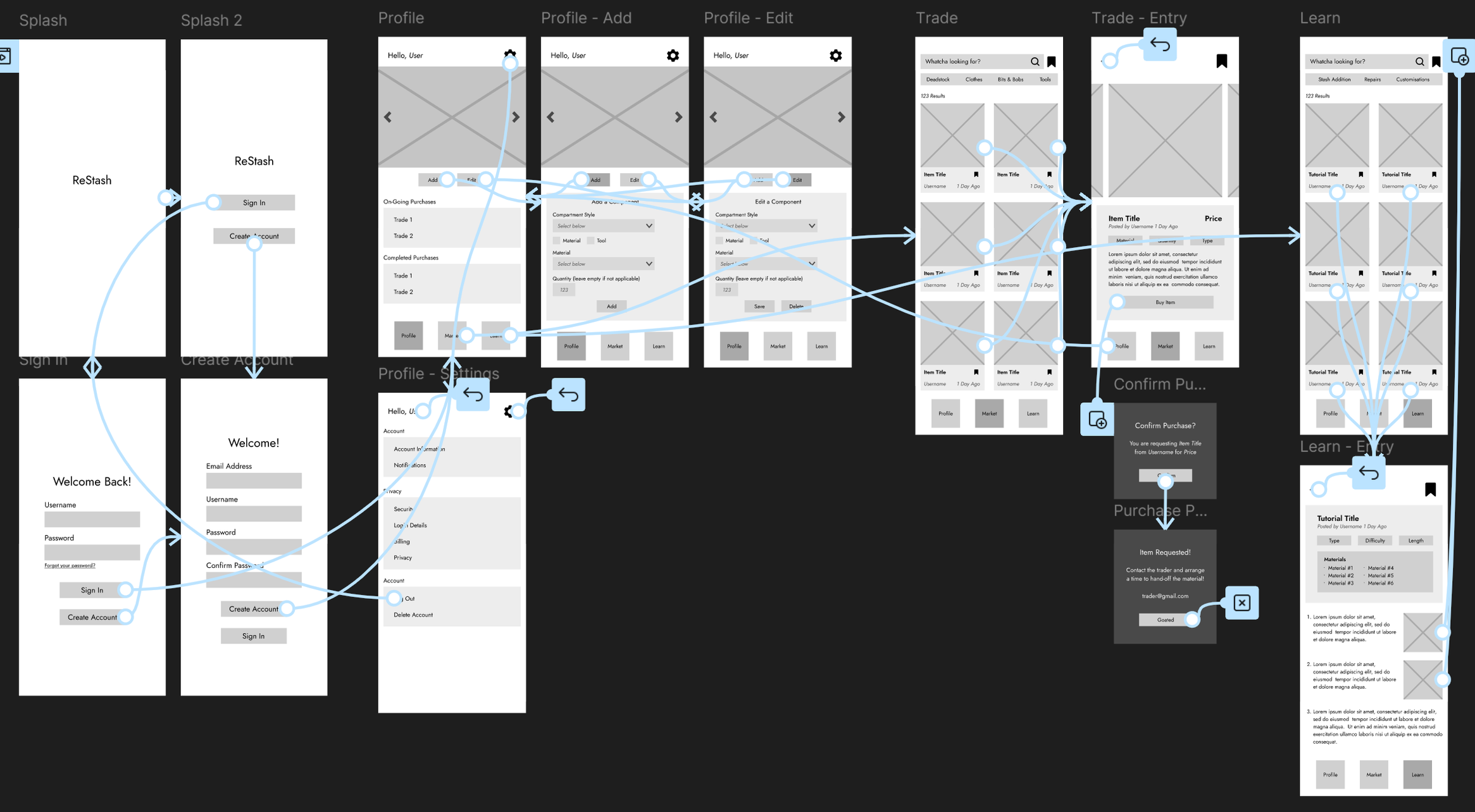
I created a low-visual fidelity interactive mockup in Figma to test the app's user flow, functionality, and layout. To lessen the learning curve for new users, I modeled its flow after similar resale apps and kept the user’s journey simple.
Learnings
Even as an amateur sewist myself, making the kit felt approachable. It utilized fundamental skills, such straight stitches, hemming, creating a strap, sewing buttons, and using stuffing.
The digital mockup established visual scale and filled in feature and sitemap gaps.
Mid-Fi Mockup
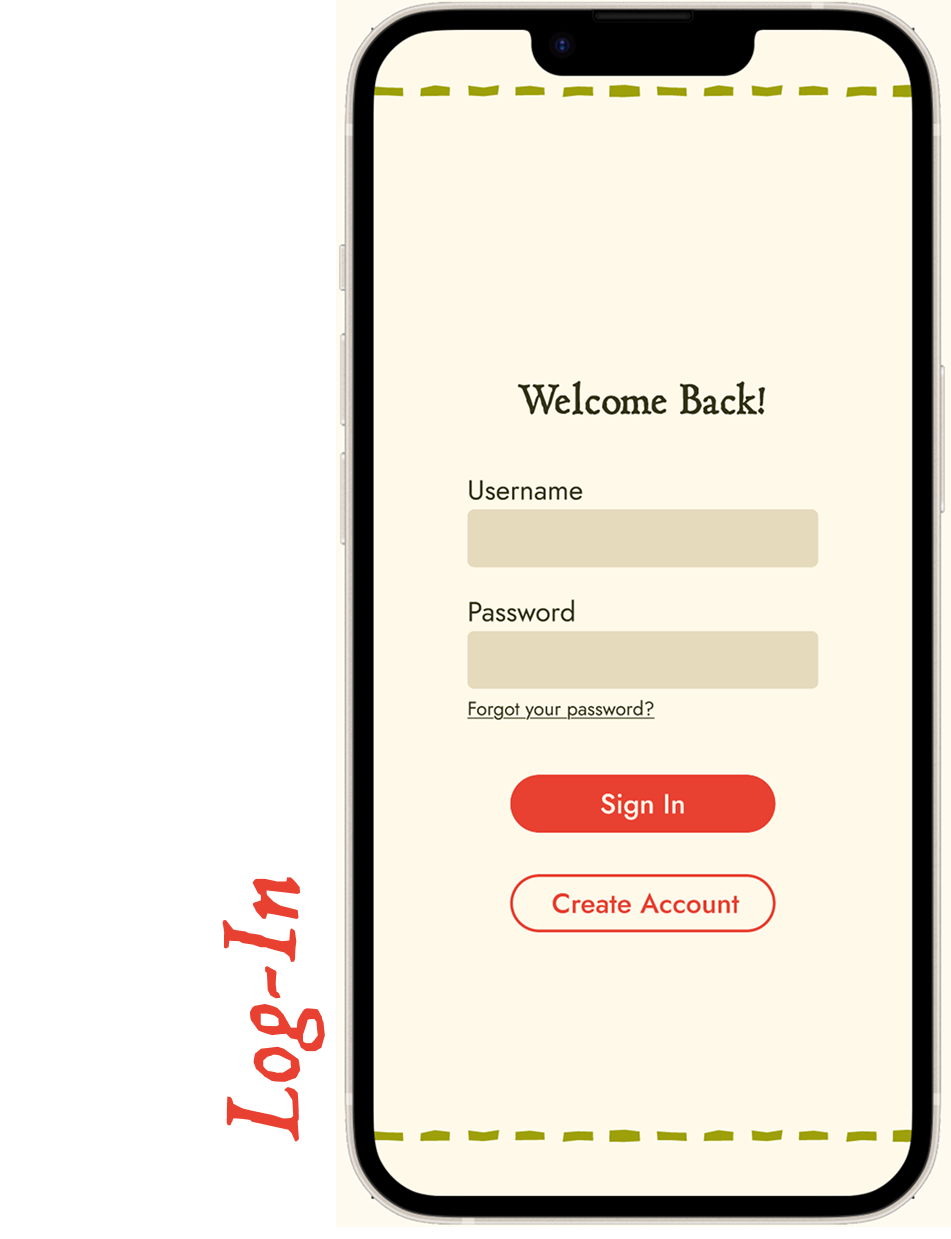
I then developed a medium-fidelity mockup to integrate the branding and aesthetics into the app’s user interface. This ensured that the app’s visual design aligned with the cohesive identity of ReStash.
Final Product Sketch
Since the hussif is made from secondhand fabrics, its appearance will naturally vary.
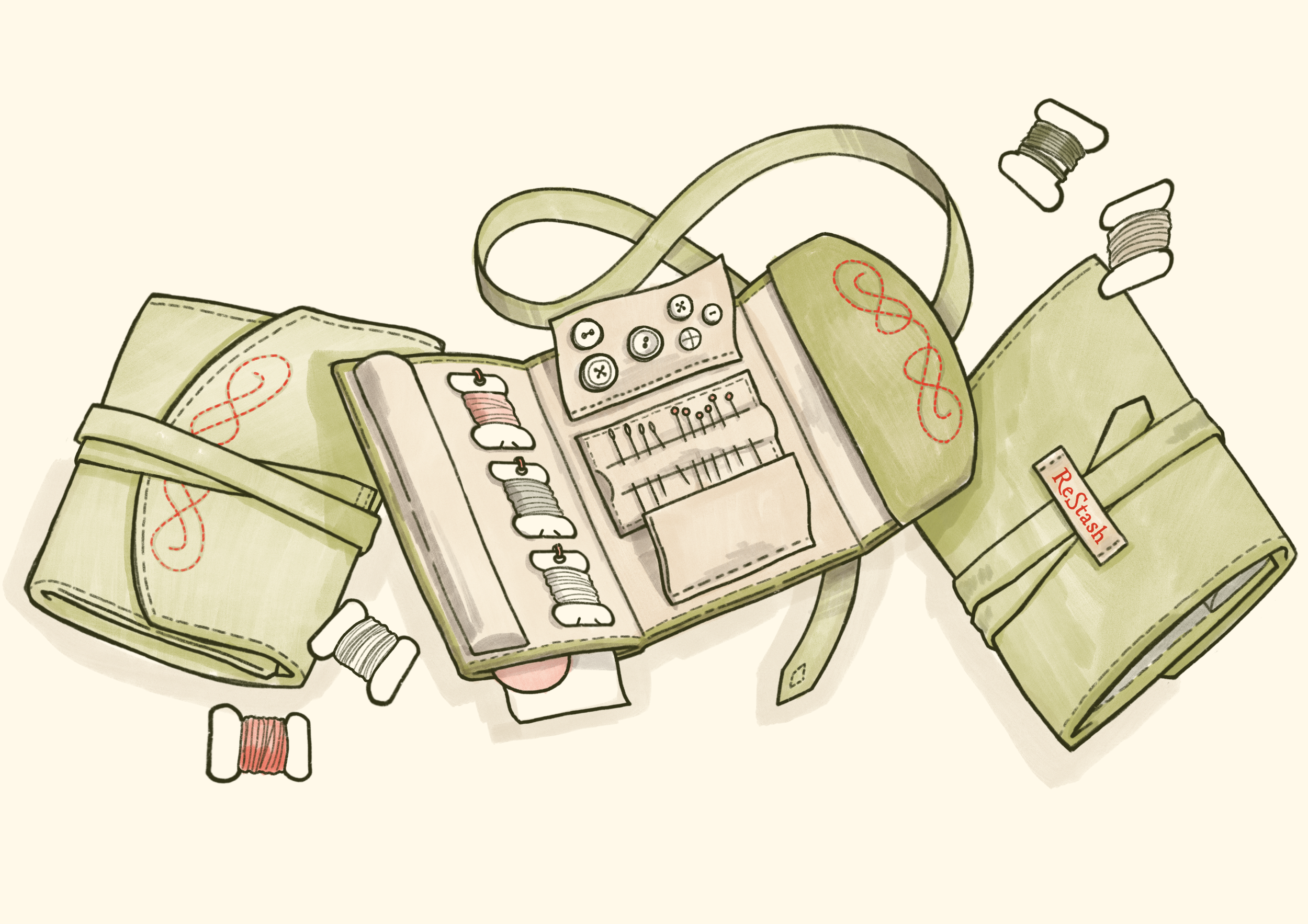
However, I created a final product sketch featuring a tag and embroidered applique to introduce a sense of cohesion without undermining its customizability.
Reflection
Looking Back
This product was really rewarding to work on, given my amateur interest in sewing and long-term interest in the textile waste and fast fashion crisis. Exploring interaction between the digital and physical was interesting, though I believe the project would have benefited from user testing and further iterations.
Looking Forward
ReStash has potential for expansion outside of London Road. Charity shops are common across the UK, and workshops can be held at art centers, libraries, or other shared learning spaces. Virtual workshops could also eliminate geographical barriers.
Continuously iterating upon and refining the concept would be critical leading up to and during such expansion.
